

It feels like a sauna even though the thermostat reads 72°F. That can be frustrating, especially in East Tennessee where the weather swings fast. Below we break down why the numbers on your dial can lie, and what you can do to bring real comfort back.
What a 72° Thermostat Setting Really Tells You
A thermostat is a sensor, not a magic thermostat that forces the whole house to that temperature. It measures the air at its own spot and tells the HVAC system when to turn on or off. If the sensor sits near a heat source, in direct sun, or in a draft, the reading skews.
In many East Tennessee homes the thermostat lives on an interior wall that gets sun in the afternoon. The sensor thinks the house is warmer than it really is, so the air conditioner runs less often. The result? The whole home stays hotter than the dial says.
Smart controls can fix this. Jack Frost Heating & Air Conditioning offers remote diagnostics that verify sensor placement and calibrate set‑points for true comfort. Our HVAC service page explains how we check thermostat location and adjust programming.
Beyond placement, the thermostat’s digital display can be misleading if the system’s indoor and outdoor sensors differ. A mismatch may cause the unit to think it’s still cooling when the indoor coil is actually warm.
When you suspect the thermostat is the culprit, a quick test is to compare its reading with another temperature reading nearby for a few minutes. If the two readings differ by more than 3°F, it’s time to call a pro.
How Humidity, Radiant Heat, and Tennessee Weather Change Comfort
East Tennessee’s summer humidity can push perceived temperature up 10°F or more. Humidity slows sweat evaporation, so the body feels hotter even if the air feels the same according to a temperature reading.
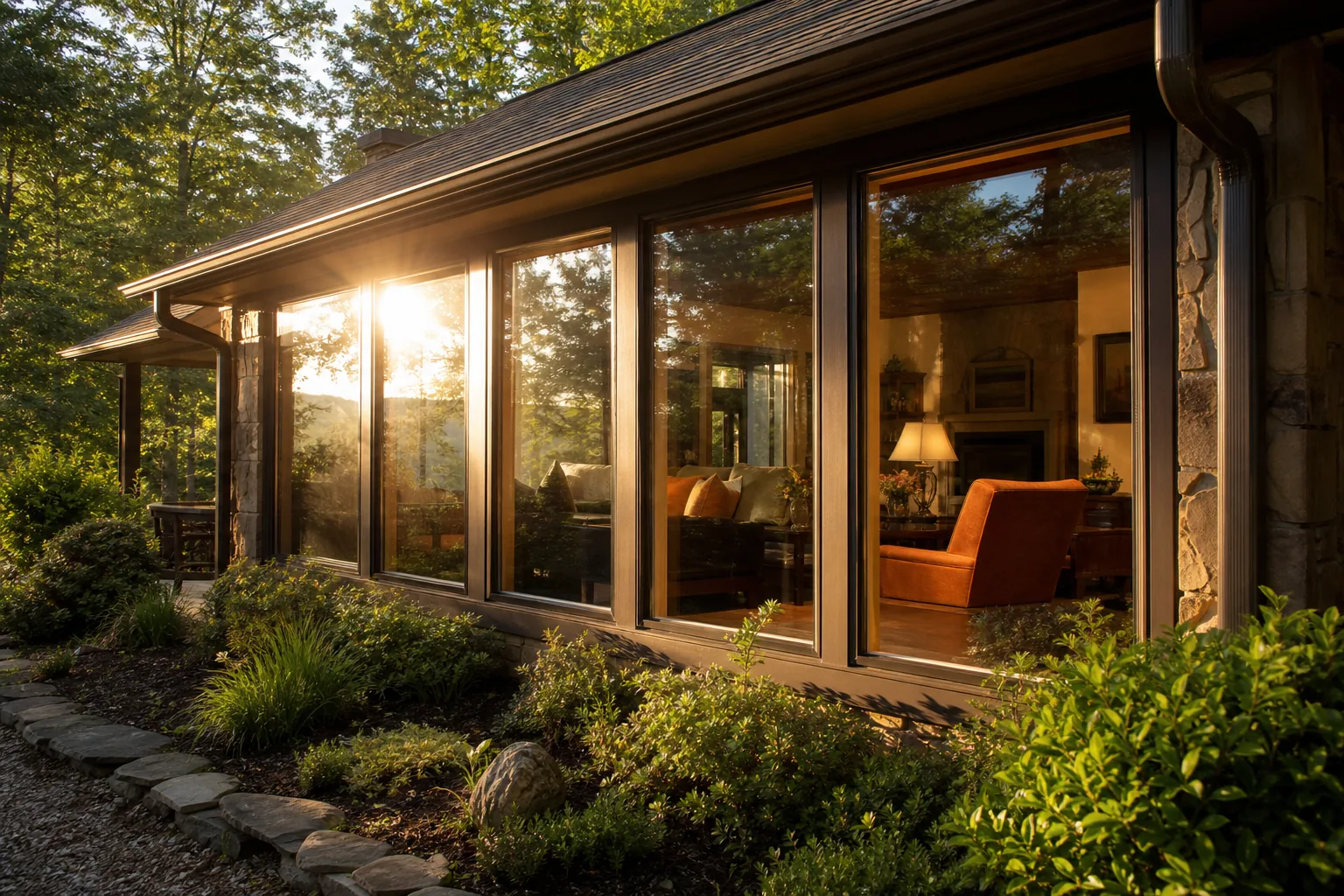
Radiant heat from windows and roofs adds another layer. A home with single‑pane windows lets a lot of solar energy in. The walls and floors then radiate that heat back into the room, raising the mean radiant temperature. Studies show high radiant heat can add roughly +15°F to what you feel inside a house. Radiant heat can make a room feel warmer even when the air temperature is unchanged.
During a typical July day in Knoxville, outdoor humidity can hover around 70%. If your home’s envelope is leaky or poorly insulated, that moisture seeps in, making the indoor air feel clammy.
Adding low‑E double‑pane windows and sealing attic gaps cuts that gain dramatically. Our guide on humidity walks through sealing tips specific to the Knoxville area.
And don’t forget shading. Shading windows can block some of the sun’s heat before it hits the glass.
When humidity climbs, a dehumidifier can help, but the most efficient fix is improving the building envelope.
Airflow and Duct Problems That Leave Rooms Hot
Even a perfectly sized air‑conditioning unit can feel weak if the air can’t move. Duct leaks, clogged filters, and blocked registers all shrink the flow of cool air.
When air escapes through gaps in the ductwork, the system works harder to push the same amount of air. The result is a drop in temperature at the vents and a rise in the thermostat reading.
Dusty or old filters reduce airflow by up to 30%. In a typical Knoxville home that can raise indoor temps by several degrees. Replacing the filter every 1 to 3 months restores the designed airflow.
Jack Frost’s technicians use smoke testing to locate hidden leaks. Once sealed, the system regains its full capacity, and rooms that felt hot become evenly cool.
Another common snag is an unbalanced return air path. If the return vent is too far from the supply, the system can over‑pressurize some rooms while under‑pressurizing others, creating hot spots.
Our airflow checklist helps homeowners spot signs before the problem gets costly.
AC Problems That Can Make 72° Feel Uncomfortable
When the unit itself is struggling, the thermostat’s 72°F setting becomes meaningless. Common issues include low refrigerant, a dirty coil, and an oversized system.
Low refrigerant means the evaporator can’t pull enough heat from the indoor air. The coil stays warm, and the air that leaves the vents barely feels cooler.
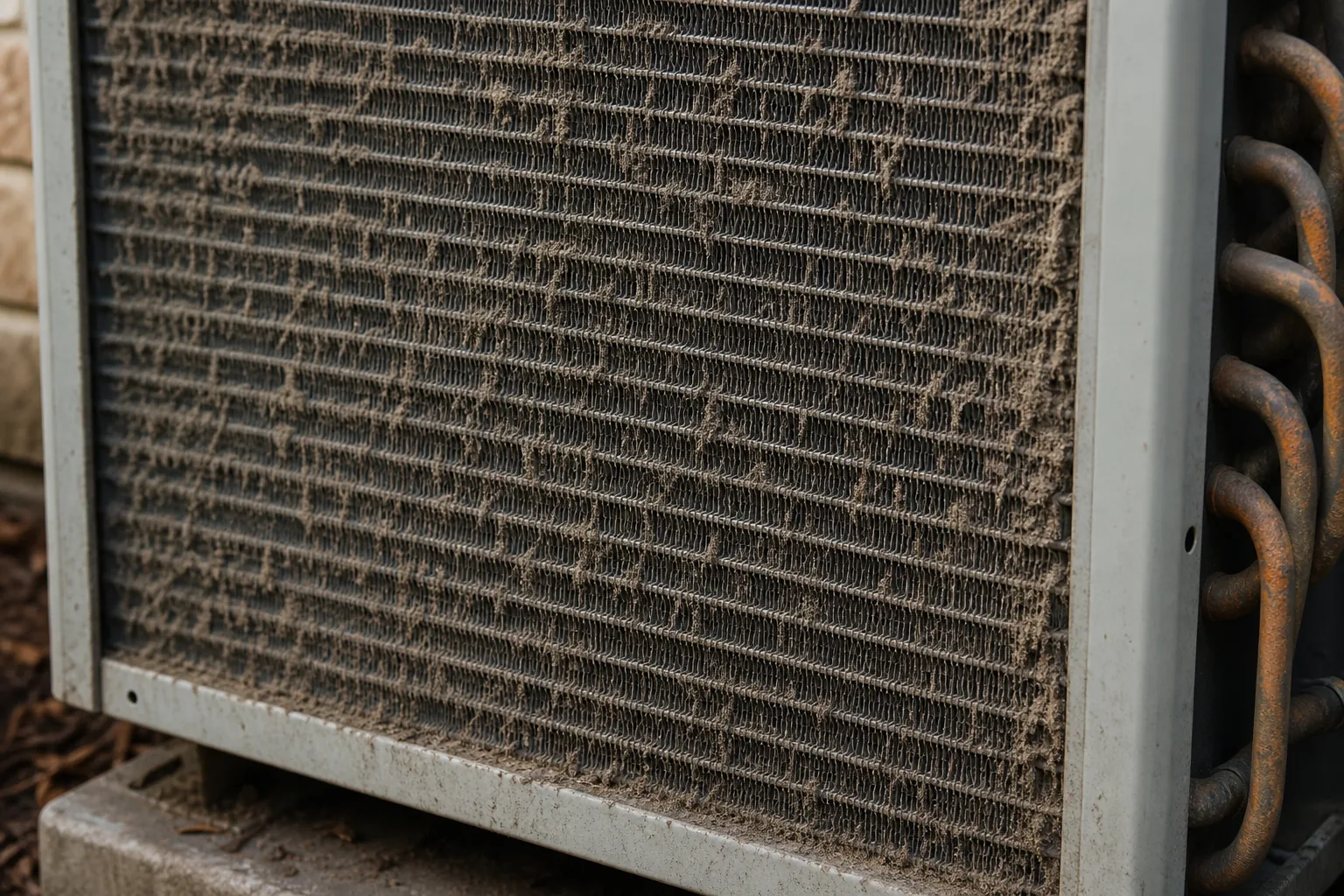
A dirty coil collects dust and mold, acting like a blanket over the heat‑exchange surface. The coil’s efficiency drops, and the compressor runs longer, raising indoor temps.
Oversized equipment short‑cycles: it turns on, cools the air quickly, then shuts off before the whole house reaches equilibrium. The quick bursts don’t let the system pull moisture out of the air, so humidity stays high and the house feels warm.
Modern refrigerants like R‑454B and R‑32 improve efficiency, but they require compatible hardware. If your unit is older, a retrofit may not be enough; a full replacement is often the best route.
Jack Frost can test refrigerant levels, clean coils, and size a new system to match your home’s square footage. Proper sizing matters for comfort and efficiency.
Regular maintenance, checking the coil, cleaning the drain line, and confirming correct refrigerant charge, keeps the unit performing as intended.
When to Check the System Yourself—and When to Call Jack Frost Heating & Air Conditioning, Inc.
You can catch many issues early with simple DIY checks. Start by swapping out the air filter; a clean filter restores airflow in minutes.
Next, look at the thermostat screen. If it shows an error code or the fan runs continuously, the system may be in a fail‑safe mode.
If you notice uneven cooling, one room stays warm while others feel fine, it’s likely a duct or refrigerant issue that needs professional tools.
At that point, call Jack Frost. Our team can run a diagnostic with smart sensors that map temperature and humidity room by room. We’ll pinpoint leaks, verify refrigerant charge, and suggest any needed upgrades.
Homeowners who act early avoid costly emergency repairs. A small fee for a seasonal tune‑up can save hundreds on a full‑system replacement later.
For a deeper look at how long cooling should take in a typical East Tennessee home, How Long Does It Really Take to Cool a House?.
FAQ
Why does my house feel hot even when the thermostat says 72°?
The thermostat only measures the air where it sits. Sunlight, poor placement, or a faulty sensor can make the reading higher than the rest of the house, so the AC runs less often and rooms stay warm.
Can high humidity make a 72°F setting feel hotter?
Yes. Humidity slows sweat evaporation, so the body perceives a higher temperature. In East Tennessee’s summer humidity can add 10°F or more to the felt temperature.
What role do windows play in making my home feel warm?
Single‑pane windows let solar heat in and radiate it back inside. Upgrading to low‑E double‑pane glass cuts that heat gain dramatically.
How often should I replace my air filter?
Replace the filter every 1 to 3 months, depending on usage and pet dander. A clean filter restores proper airflow and helps the AC cool effectively.
When is it time to call a professional instead of DIY?
If you see uneven cooling, hear unusual noises, or notice the AC runs constantly without dropping the temperature, it’s time for a licensed technician to check refrigerant levels, coil condition, and duct integrity.
Conclusion
If your home feels warm at a 72°F thermostat, start by checking thermostat placement and filter condition, then look for signs of duct leaks or high humidity. When those basics don’t help, schedule a diagnostic with Jack Frost Heating & Air Conditioning, Inc. to get the right fix and bring true comfort back to your home.