

That loud hum from your HVAC can ruin sleep and make a bedroom feel like a factory. We’ve pulled together the most usable ways to quiet it without tearing out your whole system. Follow the steps below, and you’ll be sleeping in peace.
Step 1: Identify Where the HVAC Noise Is Coming From
First, pinpoint the source. Is the buzz coming from the indoor blower, the ductwork, or the outdoor unit? Walk into the bedroom, turn the system on, and listen for where the sound is loudest. Then step outside to see if the compressor or fan is rattling.
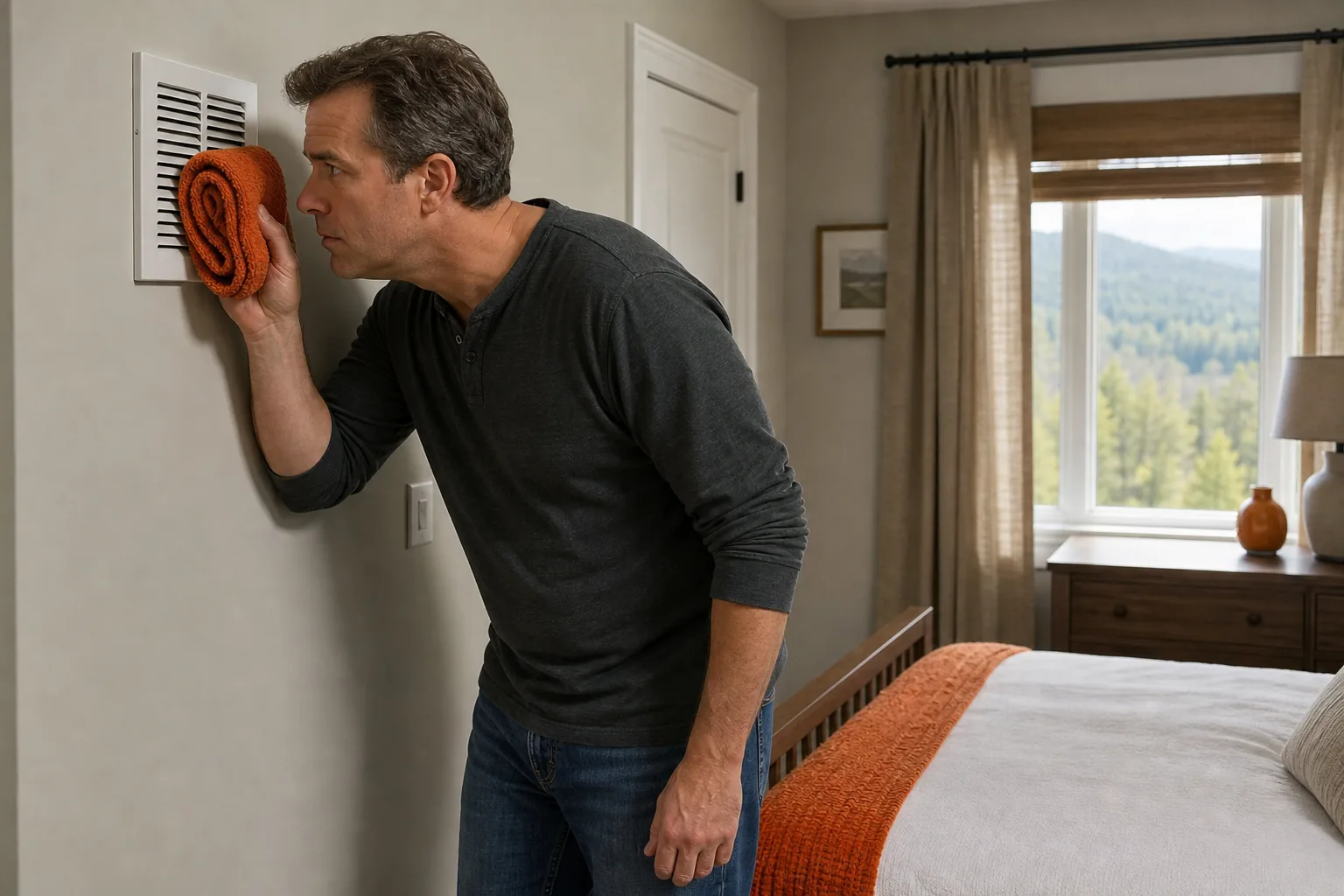
Use a simple trick: place a rolled‑up towel against the vent and listen again. If the noise drops, the vent or duct is likely the culprit. If it stays, the problem is probably deeper in the system.
Check for loose panels on the indoor unit. Tighten any screws you can reach. Look for debris stuck in the outdoor fan, leaves or twigs can hit the blades and amplify noise.
When you’ve isolated the area, you’ll know which step to take next.
Step 2: Try Safe Thermostat and Airflow Adjustments
Wrong thermostat settings can make the blower work harder than needed, creating a whine. Set the thermostat to a moderate temperature, around 74°F in summer and 70°F in winter, so the system runs at steady, low‑speed cycles.
If your thermostat has scheduling controls, program a few minutes of reduced fan operation during night hours. This reduces motor noise without sacrificing comfort.
Next, balance airflow. Close any unused vents in other rooms; this forces more air through the bedroom vent, which can actually increase speed and noise. Instead, keep all vents open but use the fan settings to set the fan to “auto” so it only runs when heating or cooling is needed.
Finally, clean or replace the air filter. A clogged filter makes the blower strain, which raises vibration and sound levels. Regular HVAC maintenance in Seymour can also help catch airflow restrictions and loose components before they become persistent bedroom noise.
Step 3: Reduce Noise From Vents, Registers, and Ductwork
Air rushing through a narrow vent can create a whistling sound. Measure the vent opening; if it’s less than 6 inches, consider swapping it for a larger vent.
Install a thin piece of acoustic insulation inside the supply vent and seal the edges with foil tape. This DIY fix costs under $20 and dampens the roar.
If you notice rattling in the ducts, the culprit is likely loose metal. Secure the ducts with metal straps or duct tape, and add a small amount of duct sealing material to gaps.
When the vents are quiet, the bedroom becomes a lot more restful.
Step 4: Limit Vibration Around the Indoor and Outdoor Equipment
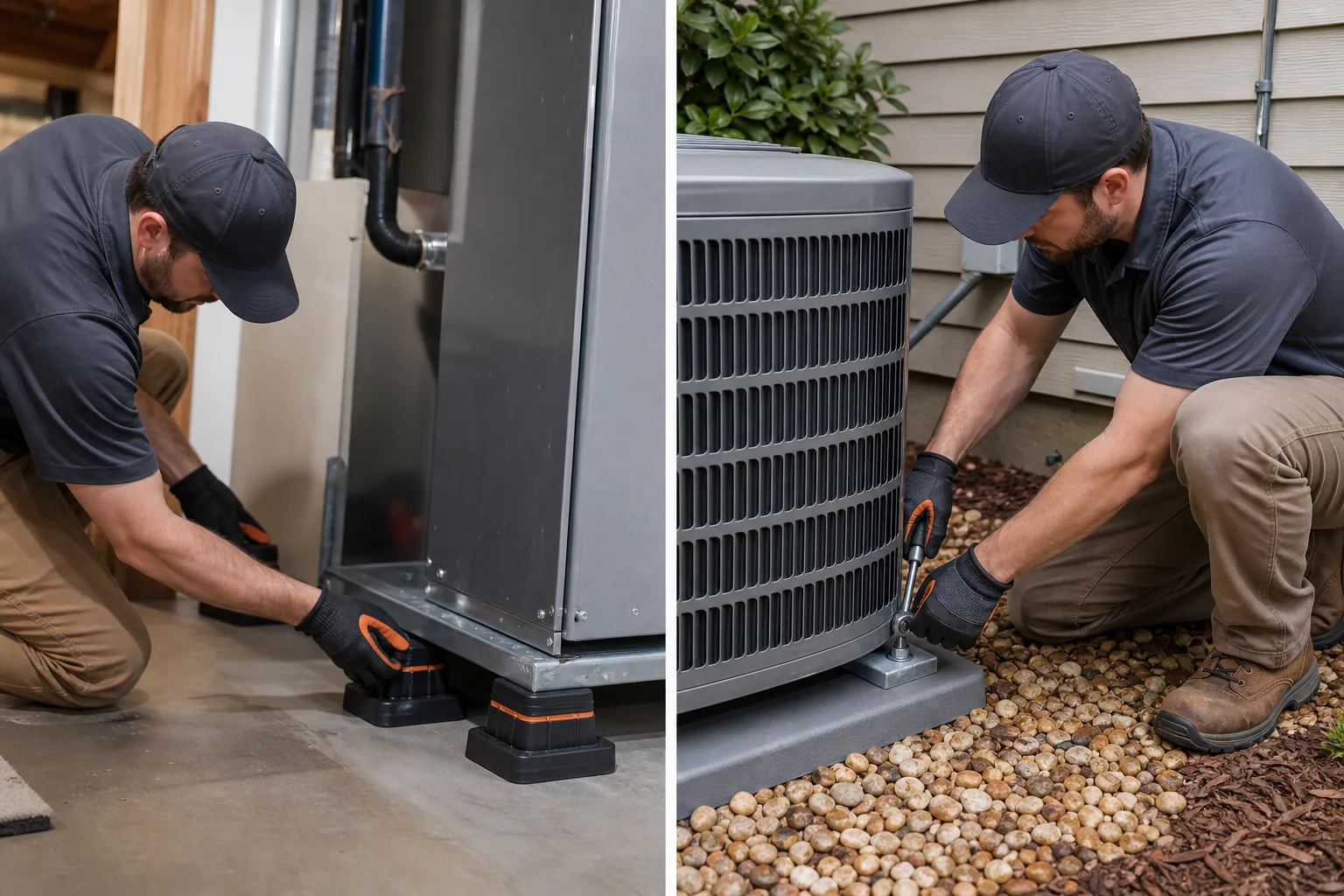
Vibration travels through walls and floor joists, turning a quiet bedroom into a concert hall. Start with the indoor unit: inspect its base and mounting points for looseness or direct contact with surrounding surfaces.
Check the outdoor compressor’s mounting bolts. Tighten any that feel loose, and inspect the unit’s mounting arrangement if it sits on hard concrete.
Secure any loose fan blades with a screwdriver. A bent blade can wobble and create a low‑frequency thrum that penetrates the house.
Finally, check the wall behind the indoor unit for openings, loose components, or other rigid contact points that may transmit sound.
If you need professional help with mounting or vibration control, Jack Frost Heating & Air Conditioning, Inc. offers expert installation and can ensure the job is done right.
Step 5: Know When to Schedule an HVAC Noise Inspection
Most DIY fixes handle 80 % of bedroom noise issues, but some problems need a licensed pro. If the noise persists after you’ve tried the steps above, it could be a failing capacitor, a cracked refrigerant line, or a mis‑sized unit.
HVAC service guidance commonly identifies loose access panels, vibrating refrigerant lines, or a failing motor as causes of persistent noise. These issues can also affect cooling efficiency, leading to higher energy bills. Reviewing common HVAC repair warning signs can help you decide when a new sound needs professional attention.
Schedule an inspection when you hear any of these signs:
- The sound changes from a hum to a rattling or buzzing tone.
- The unit runs longer than usual without improving room temperature.
- You notice a drop in comfort or an increase in your energy bill.
Jack Frost Heating & Air Conditioning, Inc. can perform a thorough noise audit, check refrigerant levels, and recommend appropriate quiet‑operation upgrades, see our HVAC guide for more.
When you book a professional, you’ll get a detailed report that tells you whether a simple seal or a whole‑unit replacement is needed.
FAQ
How can I tell if my HVAC noise is coming from the ductwork?
The noise will sound like a whistling or rattling that changes as you open or close vents. If covering a vent reduces the sound, the duct is likely the source.
Will adjusting my thermostat really lower the noise?
Yes. Setting the thermostat to a moderate temperature and using “auto” fan mode keeps the blower from running at high speed, which cuts motor noise dramatically.
Is a cheap DIY airflow-noise accessory safe to install?
Use caution with any DIY airflow-noise accessory and follow the included instructions.
What should I do if the outdoor unit is rattling?
First, turn off power, then tighten the mounting bolts and add a suitable layer under the unit. If the rattling continues, call a professional to check for loose fan blades or cracked refrigerant lines.
How often should I have my HVAC inspected for noise issues?
We recommend a noise‑focused inspection every two years, or sooner if you notice new sounds, reduced cooling performance, or higher energy bills.
Can a larger HVAC system make my bedroom quieter?
Not necessarily. An oversized unit can cycle on and off quickly, creating more noise. Proper sizing, which Jack Frost Heating & Air Conditioning, Inc. can verify, is key to quiet operation.
Ready to quiet your bedroom? Start with the simple DIY steps, and when you hit a wall, give Jack Frost Heating & Air Conditioning, Inc. a call for a professional noise audit and the right quiet‑operation solutions.