

Cold air from your vents on a frosty morning feels like a broken promise. The good news is most of the time the fix is something you can do yourself. Below are the exact steps to get warm air flowing again, plus when to call a pro.
Step 1: Verify Thermostat Settings
First, make sure the thermostat is actually asking for heat. Set the mode selector to “Heat” and raise the temperature a few degrees above the current room temp. If the fan is set to “On” instead of “Auto,” the blower will run nonstop, pushing room‑temperature air through the ducts.
Check the battery if the unit has a digital display; low power can cause erratic behavior. Replacing the batteries often clears the glitch. While you’re at it, confirm the schedule isn’t set to a night‑time setback that leaves the house cool.
We like to keep a quick reference handy. Expert HVAC Tips in Seymour, TN walks you through common thermostat quirks and how to troubleshoot them.
According to Wikipedia’s thermostat entry, most residential thermostats have a separate fan control that defaults to “Auto” for safety. Changing it back stops the unnecessary cold‑air cycle.
Step 2: Inspect and Replace the Air Filter
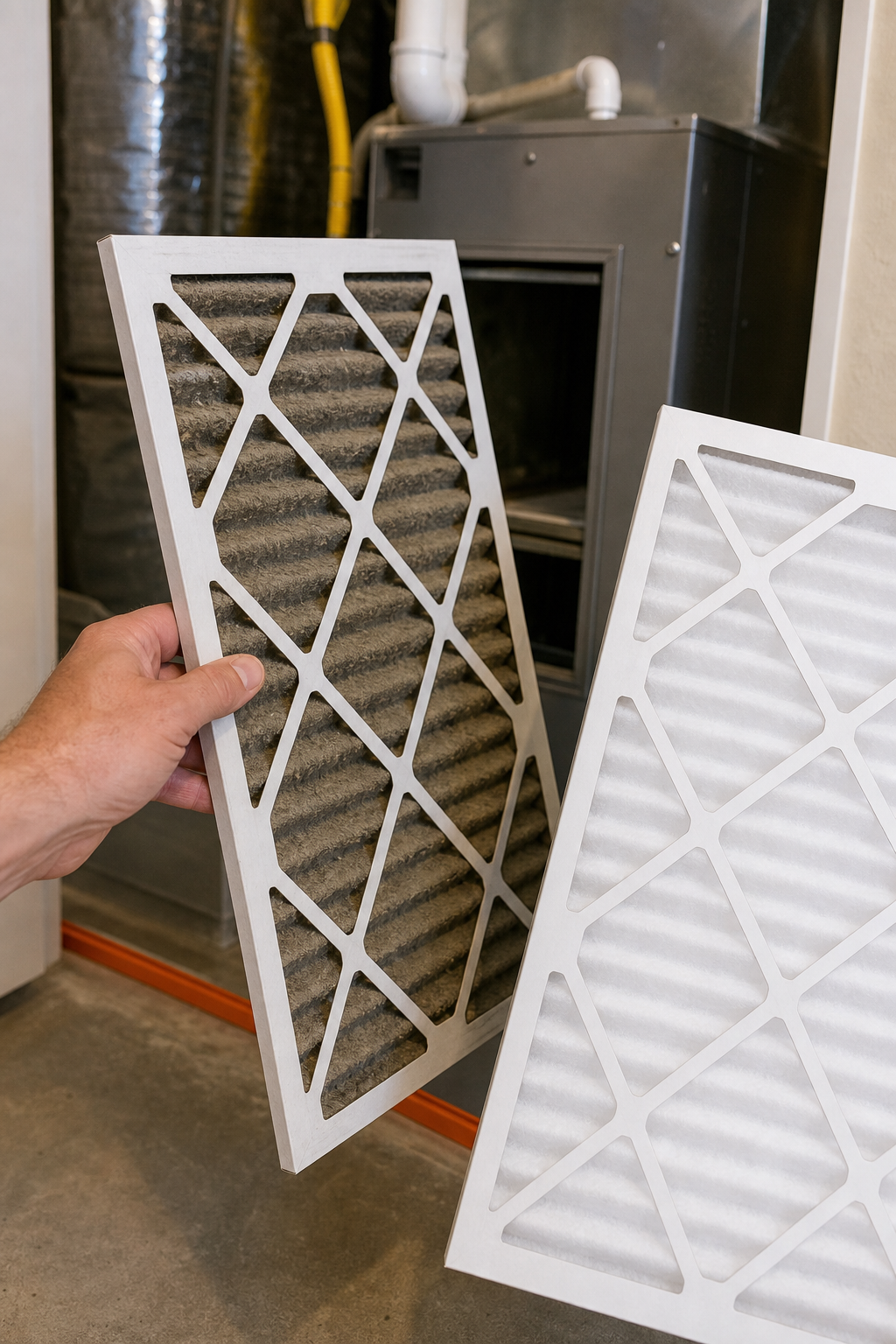
Next, pull the filter from its slot , usually behind a return grille or inside the furnace’s blower compartment. Hold it up to a flashlight; if you can’t see much light, it’s time for a new one.
Install the fresh filter with the airflow arrows pointing toward the furnace. A correctly oriented filter lets air flow freely, preventing the safety limit switch from shutting off the burners.
Our neighborhood checklist notes that a clogged filter is the #1 cause of a furnace blowing cold air because the heat exchanger overheats and the system cuts the flame.
For a deeper dive on filter choices, see Best Air Filter Tips for Your HVAC System.
Clean filters improve indoor air quality and help keep the furnace from cycling off prematurely.
Step 3: Examine the Blower Motor and Belt
The blower motor pushes air through your ducts. If it stalls or runs too fast, you’ll feel a blast of cold air.
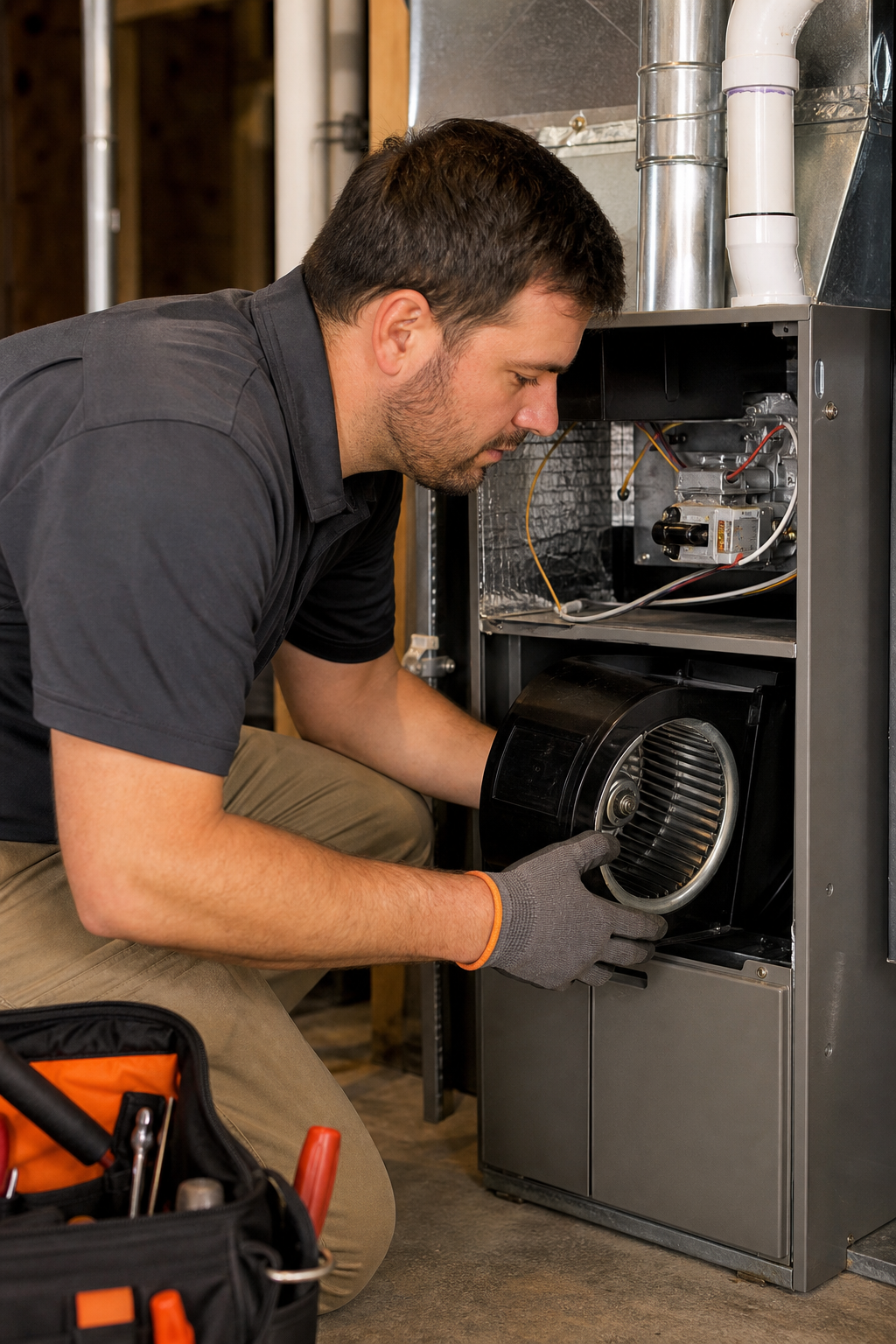
Turn off power at the breaker, remove the access panel, and give the motor shaft a gentle spin. It should turn smoothly with little resistance. Listen for grinding or rattling , those sounds mean a bearing may be failing.
Many furnaces use a drive system to power the fan. Look for signs of wear, misalignment, or looseness. A slipping drive can cause the motor to run while the burners stay off.
A malfunctioning blower can cause the furnace to stay in a “cool‑down” mode, circulating unheated air until the problem is cleared.
Step 4: Check the Gas Supply and Ignition System
If the thermostat and filter are fine, the next suspect is fuel. Locate the gas valve near the furnace; it should be fully open (parallel to the pipe). A partially closed valve throttles fuel and leaves the burners starved.
Older units have a pilot light you can see through a small window. If the flame is out, follow the manufacturer’s relighting steps or call a pro. Newer models use a modern ignition system; look for a faint glow or a clicking sound when the thermostat calls for heat.
Never ignore a gas smell. If you detect a rotten‑egg odor, shut the furnace off, ventilate the area, and call your gas utility plus a qualified HVAC technician immediately.
Our HVAC checklist for first‑time homeowners reminds you to verify shut‑off valves and test the ignition system before assuming a deeper problem.
Step 5: Call Jack Frost Heating & Air Conditioning, Inc. for Professional Service
When you’ve ruled out thermostat, filter, blower, and gas issues but still feel cold air, it’s time to let the experts step in. Jack Frost Heating & Air Conditioning, Inc. knows the quirks of East Tennessee’s winter climate and can diagnose hidden problems like a faulty limit switch, cracked heat exchanger, or wiring fault.
Their technicians run a full system check, clean flame sensors, verify gas pressure, and test the control board. They also offer financing options so you can spread the cost of any needed parts.
Because they’re local, they can get to your home quickly and bring the right tools for the job. A quick phone call (or online request) gets you on the schedule for a same‑day inspection in most cases.
Read more about why homeowners trust them in the Warning Signs Your Furnace Needs Attention This Spring article.
FAQ
Why is my furnace blowing cold air even though the thermostat is set to heat?
The furnace blows cold air when the thermostat’s fan is on “Auto” or “On” instead of “Auto,” causing the blower to run without heat. Switch the fan to “Auto” and raise the temperature setting above the room’s current temperature.
Can a dirty air filter cause my furnace to blow cold air?
Yes. A clogged filter restricts airflow, making the heat exchanger overheat and shut off the burners while the fan continues to run, which results in cold air circulating.
What should I do if I smell gas near my furnace?
If you detect a gas odor, turn off the furnace, open windows for ventilation, and immediately call your gas utility and a licensed HVAC professional. Do not try to relight a pilot or repair gas lines yourself.
How long does it take for a furnace to start blowing warm air after a repair?
After the issue is fixed, most furnaces begin delivering warm air within 5 to 15 minutes, depending on the model and the time needed for the heat exchanger to reach operating temperature.
When is it time to replace my furnace instead of repairing it?
If your furnace is more than 15 years old, requires frequent repairs, or shows signs of major component failure such as a cracked heat exchanger, replacement is often more cost‑effective than repeated fixes.
Fix the simple checks first, and if cold air persists, let Jack Frost Heating & Air Conditioning, Inc. handle the deeper diagnostics. A quick call gets you back to comfort without the guesswork.