

We all want fresh, clean air inside our homes, especially when the weather swings between mountain chill and summer heat. Your HVAC filter is the first line of defense against dust, pollen, pet dander and even odors. Below are the ten options that give you real protection and match different budgets and health needs.
1. Jack Frost Heating & Air Conditioning, Inc. — Expert Filter Selection and Installation
Jack Frost is a locally owned HVAC service that helps East Tennessee families pick the right filter and install it right. They assess your home size, pet situation and allergy concerns before recommending a specific MERV rating. Their technicians bring the filter to your door, fit it fast and verify airflow, so you don’t guess if it’s the right size. They also offer a filter‑replacement plan that saves you the hassle of remembering when to change it. Pro tip: Ask for a seasonal filter check during your routine tune‑up.
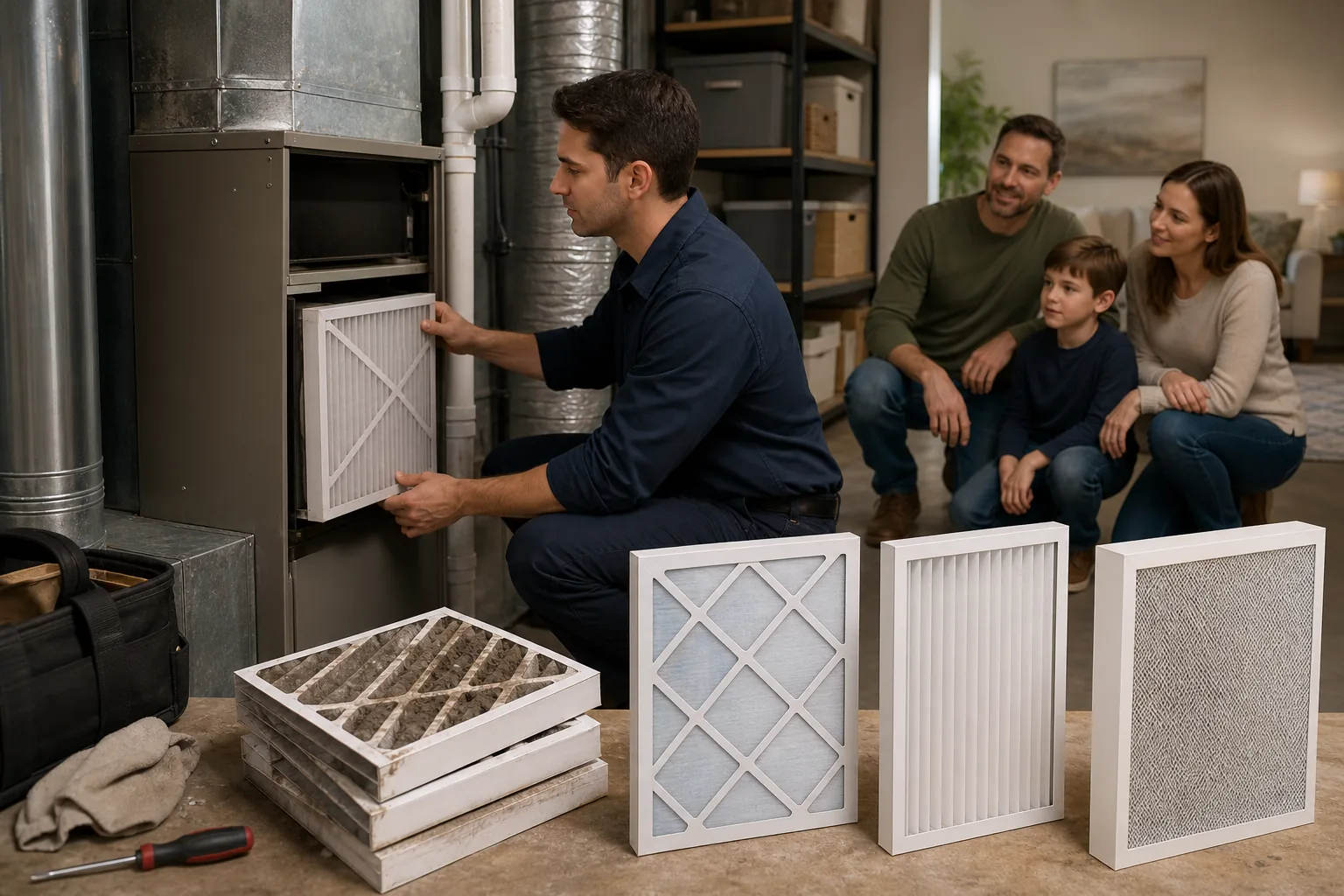
One caveat: high‑MERV filters can stress older units, so Jack Frost will test your system first and suggest a compatible filter.
2. Fiberglass Panel Filters – Budget‑Friendly Basic Protection
Fiberglass filters are cheap, light and catch big particles like dust and lint. They are a good match for vacation homes, workshops or any space where you need to keep the HVAC system safe without spending much.
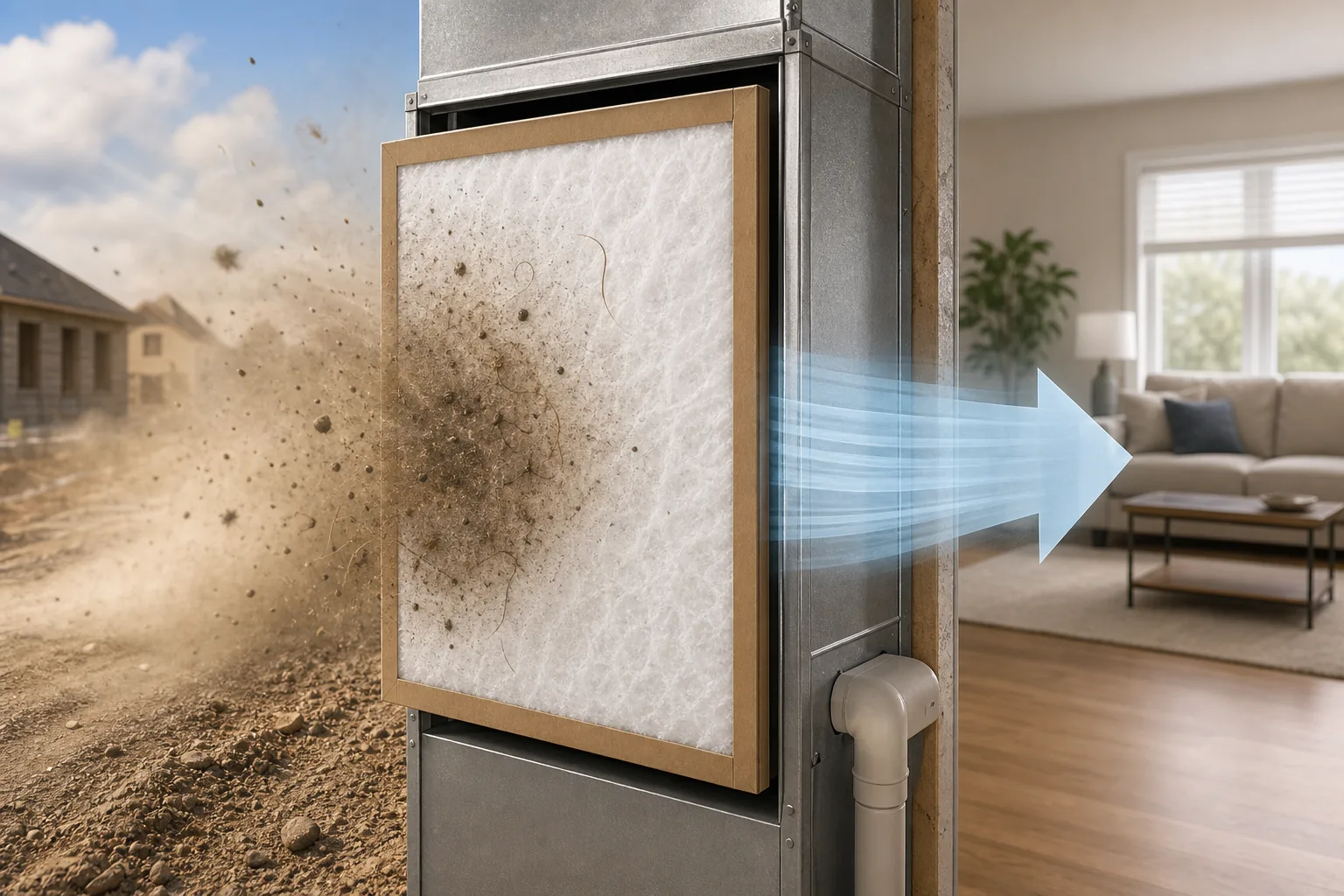
Because the media is thin, airflow stays high and your furnace runs efficiently. The downside is that tiny allergens slip through, so they aren’t the best choice for allergy sufferers. They usually need to be swapped every 30 days to avoid clogging.
For homeowners battling dust, we recommend reading Top Causes of Dusty Homes , HVAC to Blame to see how a clean filter cuts down on indoor debris.
3. Pleated Filters – Standard Residential All‑Rounder
Pleated filters add surface area with folds, so they trap smaller particles like pollen, pet dander and mold spores. Most homes with average indoor‑air concerns benefit from a pleated filter with a MERV rating between 8 and 13.
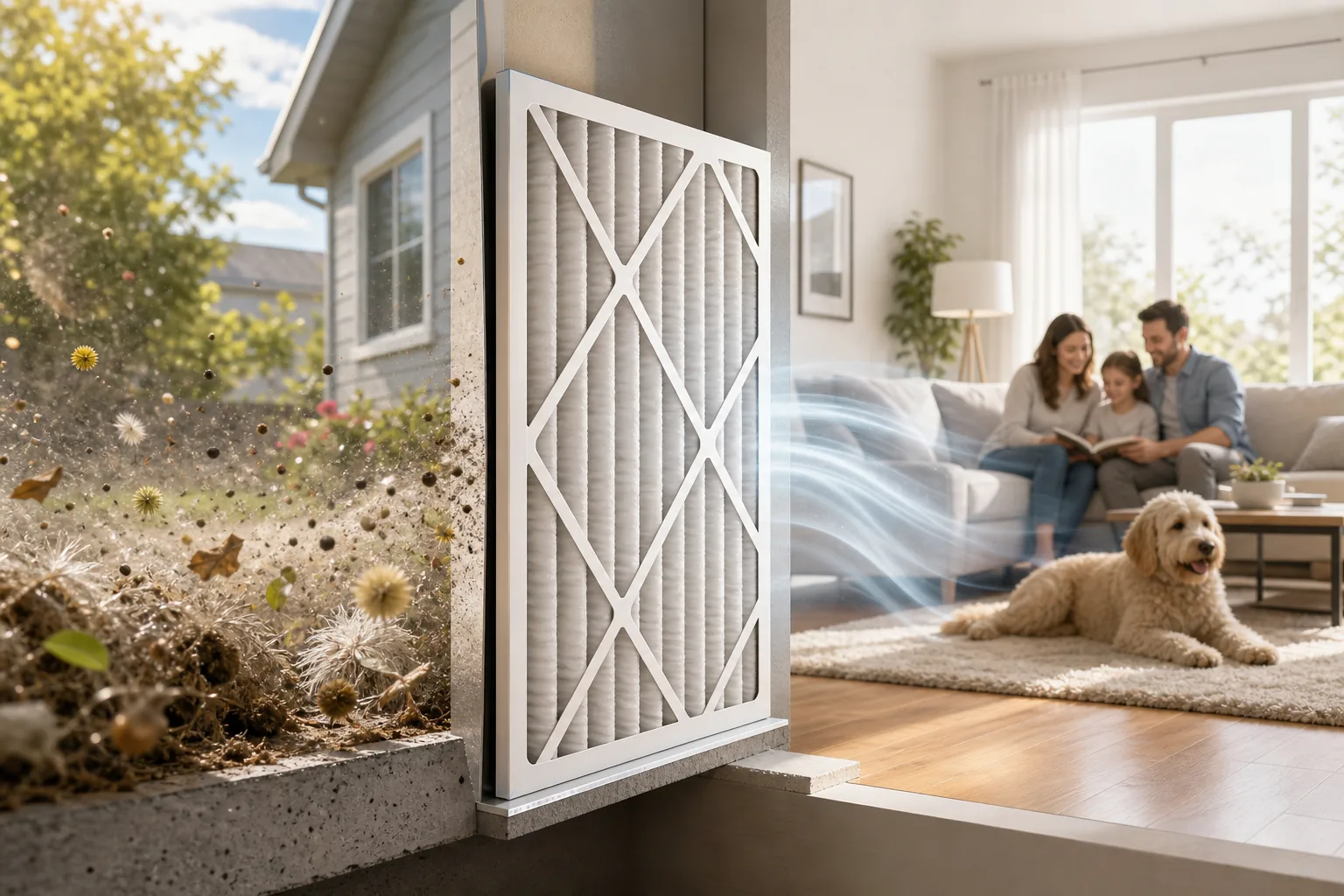
They last longer than fiberglass , typically 60‑90 days , because the extra surface area slows buildup. Many models are recyclable, which helps eco‑conscious families.
Pleated media is the most common design for residential HVAC units.
Caveat: if you pick a rating that’s too high for your blower, you may feel a slight drop in airflow.
4. Electrostatic Filters – Reusable Option for Pet Homes
Electrostatic filters use an electric charge to pull particles onto the media. They can be washed and reused many times, which saves money over the long run.
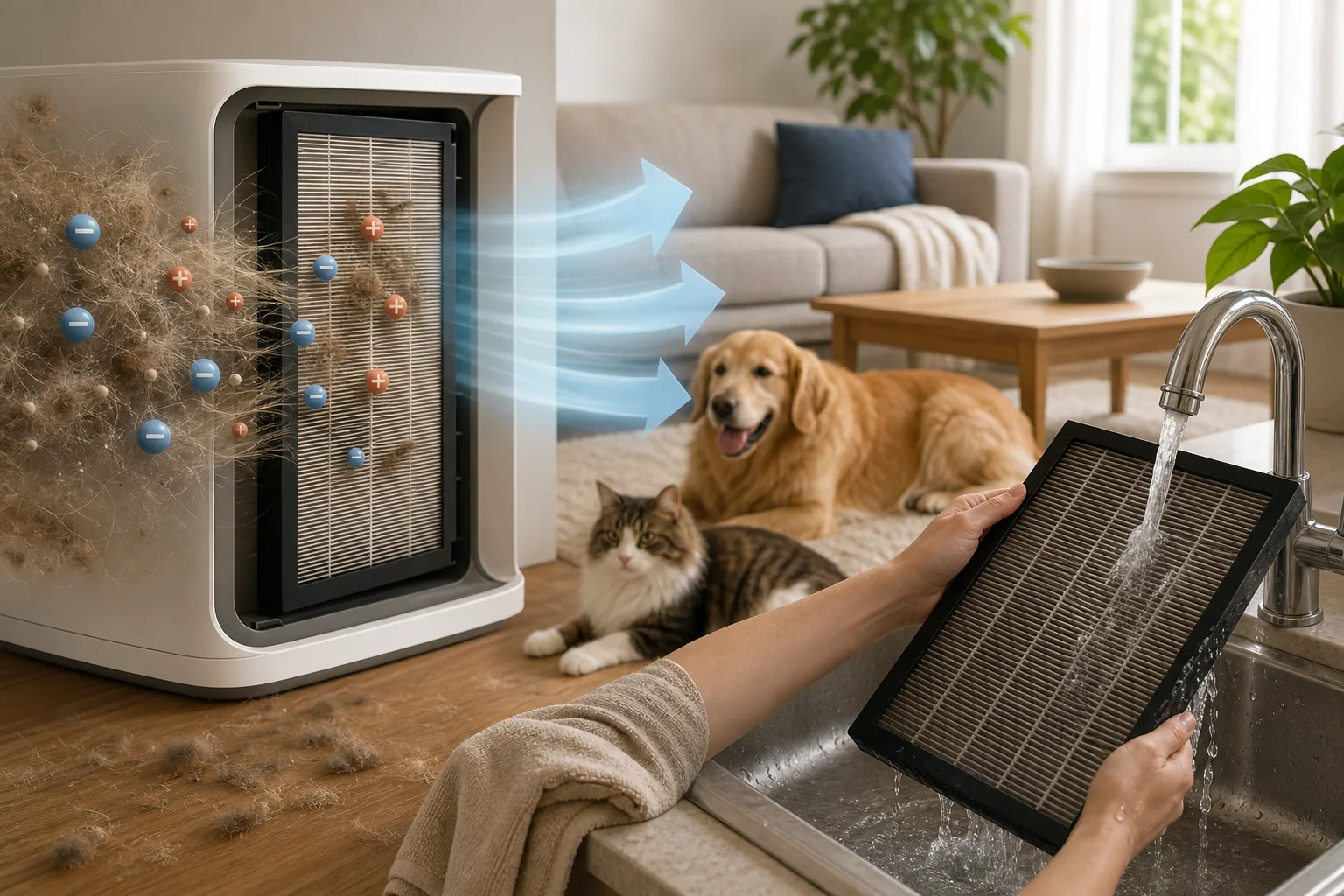
Pet owners like them because they catch hair and dander without needing to replace the filter every month. Just rinse, dry and reinstall.
They work best when you change the media every 2‑3 months; otherwise the charge weakens and efficiency drops.
Keep in mind that a dirty electrostatic filter can restrict airflow, so regular cleaning is a must.
5. Odor Eliminator – For Smoke, Pets, and Cooking
Designed for homes with pets, cooking odors, smoke, or chemical smells, these filters combine a standard particle media with an activated‑carbon layer that traps smells. They are ideal for homes with smokers, cooking fumes or multiple pets.
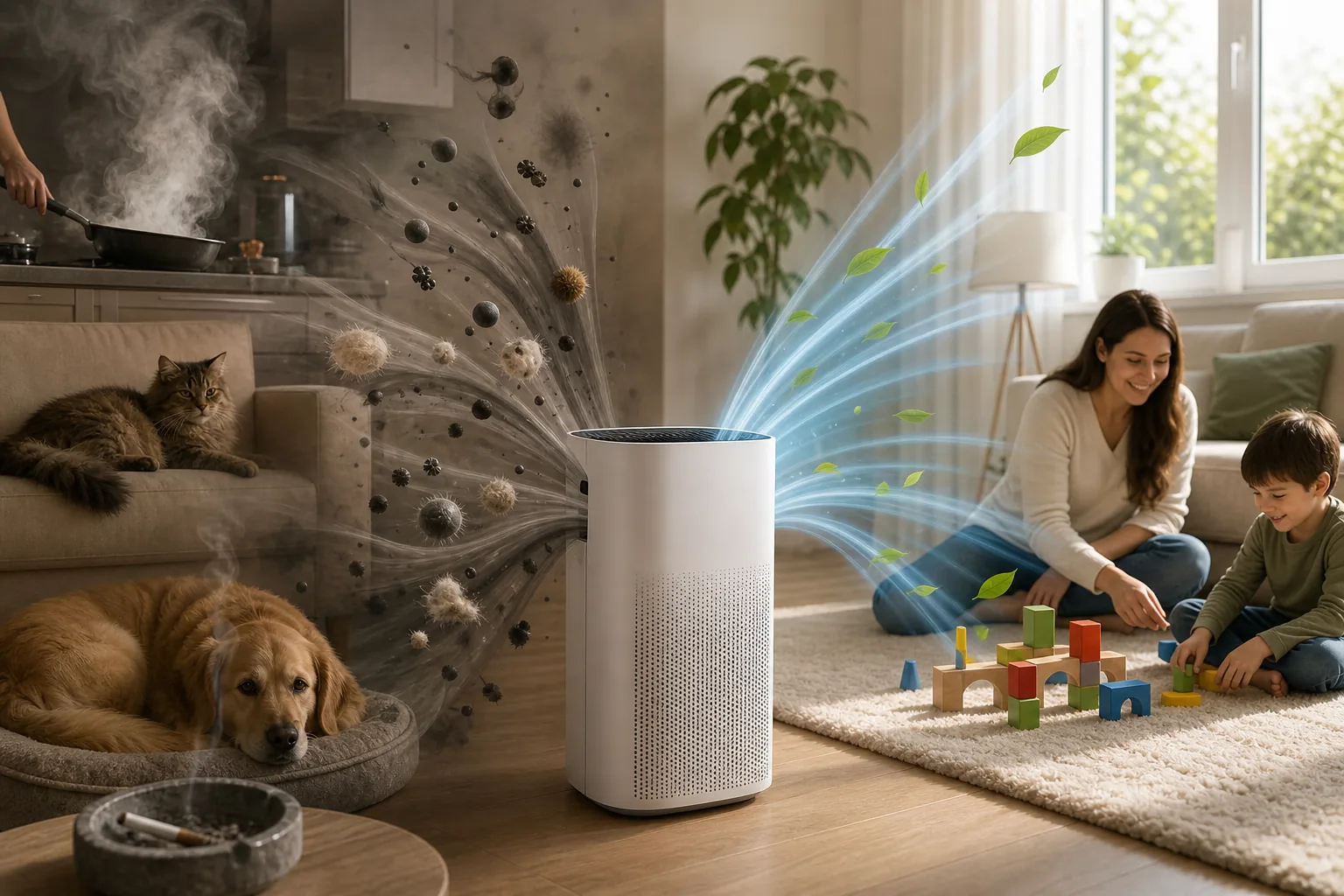
Carbon absorbs volatile organic compounds, so you notice fresher air faster than with plain pleated filters. They typically need replacement every 1‑3 months, depending on odor load.
The EPA notes that indoor air quality directly affects respiratory health, and carbon‑based filtration is one proven way to reduce harmful gases (EPA).
One downside: carbon media adds a small pressure drop, so older furnaces may feel a bit weaker.
6. Odor Eliminator Filters – For Homes with Pets and Odors
Odor Eliminator filters are designed for homes with pets, cooking odors, smoke, or chemical smells. They help reduce unwanted scents while capturing particles.
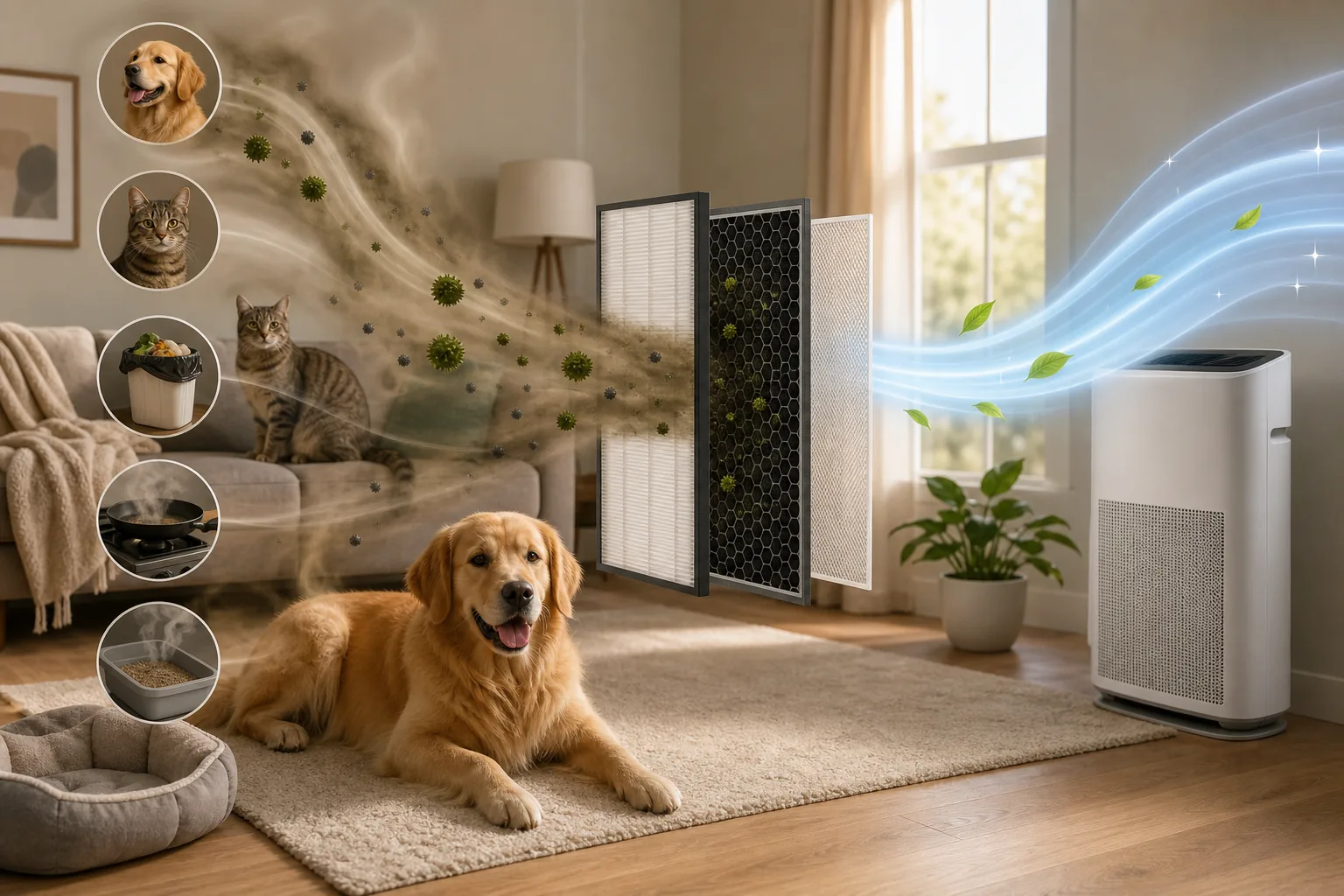
These filters typically last 1–3 months, depending on usage and air quality.
If you want to see how a dirty filter hurts your bills, check Impact of Dirty Filters on Energy Bills. The article explains why a clogged filter can raise consumption by up to 15 %.
Just be sure your HVAC system can handle the chosen filter, ask a tech if you’re unsure.
7. MERV 8‑11 Filters
MERV 8‑11 filters are designed for applications that benefit from this level of filtration. They are one of several filter categories available for residential and commercial use. Selecting the right filter depends on your specific needs and system capabilities. Proper maintenance, including timely filter replacement, is important for system performance. Consult with a qualified HVAC technician for personalized advice.
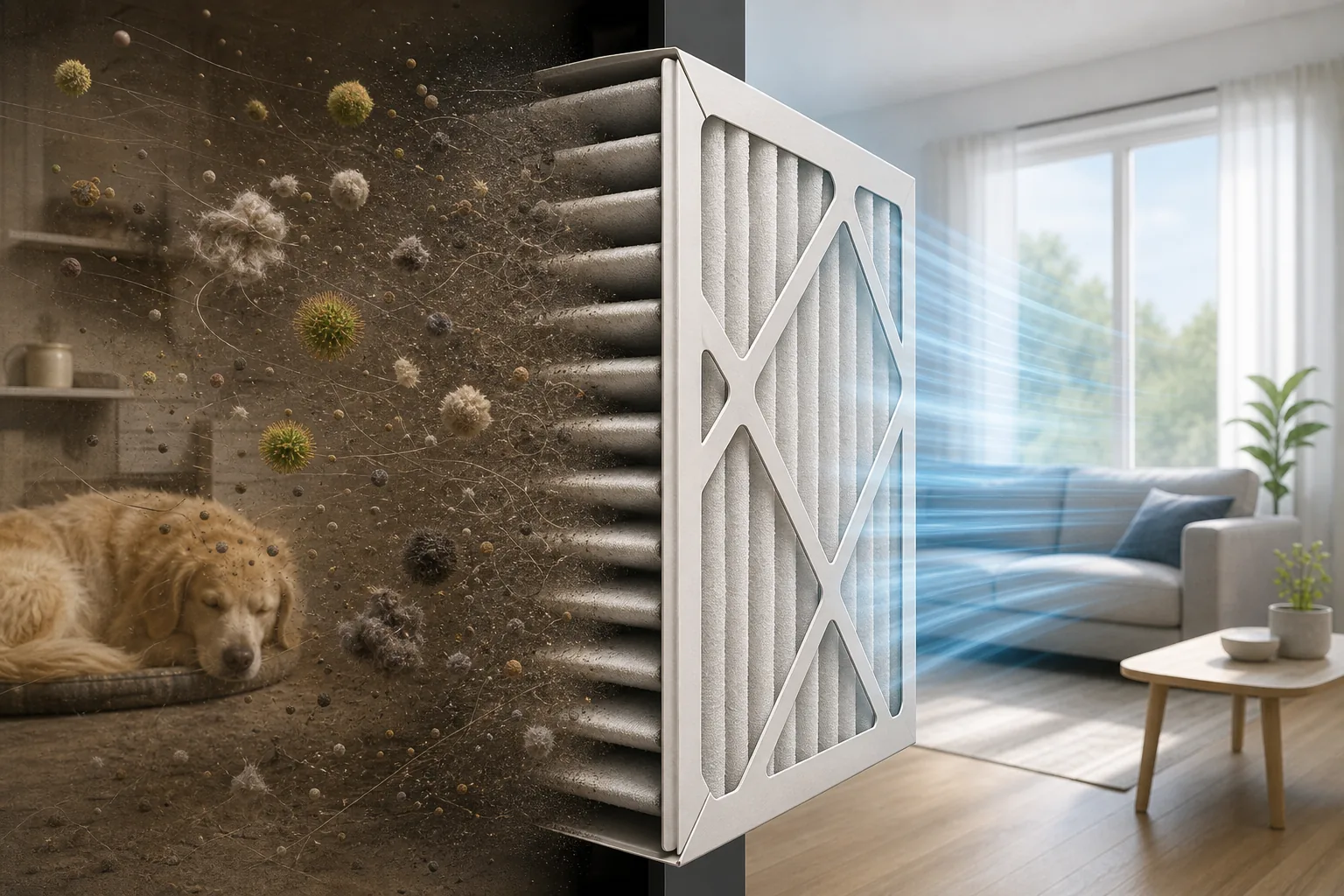
8. MERV 13‑16 Filters – High‑Efficiency for Respiratory Concerns
When you need serious protection , think severe asthma, COPD or a smoker’s household , MERV 13‑16 filters are the go‑to. They trap viruses, tobacco smoke and even fine industrial particles.
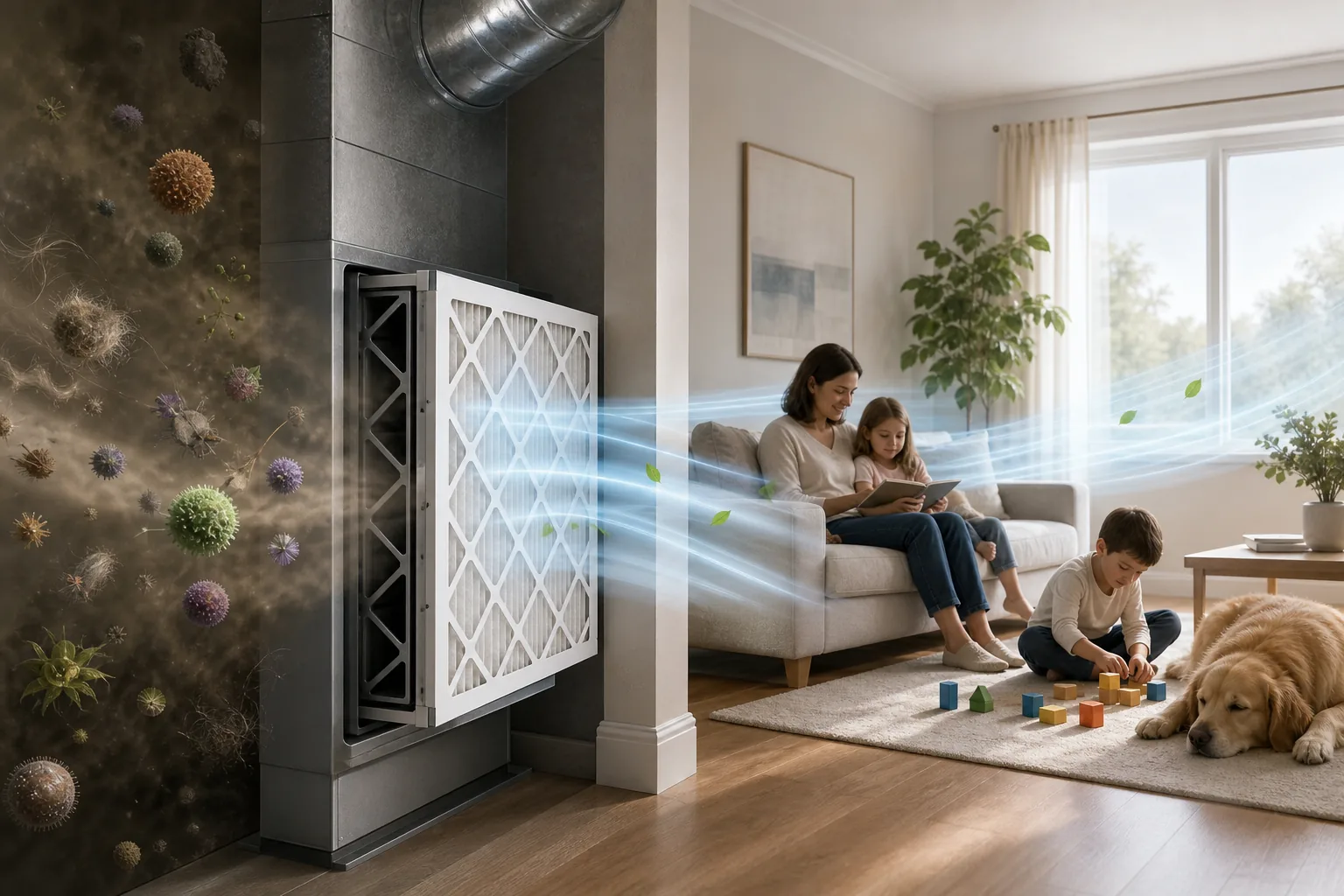
Because the media is dense, expect a 1‑3 month lifespan and a noticeable pressure drop. Pairing these filters with a professional tune‑up ensures your system stays efficient.
They are a good match for homes in East Tennessee that face wildfire smoke season.
9. HEPA‑Grade Filters – Maximum Cleanliness for Sensitive Environments
HEPA filters capture a high percentage of particles, including pollen, dust mite feces, and many bacteria. They are the standard in clean rooms and hospitals.
For a typical home, a HEPA‑grade filter gives the highest air quality you can buy, but it also creates the biggest airflow resistance. Most residential HVAC units need a dedicated blower or a larger duct to keep airflow steady.
If you have a home office with sensitive equipment or a child with severe allergies, HEPA is worth the extra cost.
Make sure a professional installs it; an ill‑fitted HEPA can overwork your system.
Odor Eliminator Filters – Targeted Solutions for Unwanted Smells
Odor eliminator filters are designed specifically for homes that deal with pets, cooking odors, smoke, or chemical smells. They help capture and reduce airborne particles that cause unpleasant odors.
These filters typically have a lifespan of 1‑3 months, so regular replacement is recommended to maintain effectiveness.
They are a good choice for households where odor control is a priority, offering a simple way to improve indoor air quality without the need for additional devices.
How to Choose the Right Filter
- Know your health needs , allergies, asthma, pets, smoke?
- Check your HVAC’s airflow rating , can it handle high MERV?
- Match budget to lifespan , higher efficiency costs more but may need fewer changes.
- Consider convenience , do you want a reusable electrostatic or a smart reminder?
- Ask a local pro , a quick inspection can save you money later.
FAQ
How often should I replace my air filter?
Most filters need swapping every 1‑3 months. Fiberglass usually 30 days, pleated 60‑90 days, and high‑MERV 1‑3 months. Check the manufacturer’s recommendation and monitor airflow.
Can a higher MERV rating damage my furnace?
Yes, if the blower isn’t designed for the extra resistance. Always verify the unit’s specifications or let a technician test the pressure drop before upgrading.
Are reusable electrostatic filters worth it?
They can save money over time if you wash them regularly. The trade‑off is the effort of cleaning and the potential for reduced efficiency if not maintained.
Are filters designed to reduce household odors effective?
Filters that target odors are designed for homes with pets, cooking odors, smoke, or chemical smells. They typically need replacement every 1‑3 months to maintain effectiveness.
What’s the biggest health benefit of a clean filter?
Clean filters lower indoor pollutants, which reduces allergy symptoms, asthma attacks and overall respiratory stress. Better air quality also supports better sleep and concentration.
Conclusion
If you want reliable protection without guessing, start with a Jack Frost Heating & Air Conditioning, Inc. filter assessment. They’ll match your home’s needs to the right MERV level and handle the install.
Schedule a home visit today and get a custom filter plan that keeps your air clean and your system efficient.