

When your AC stops blowing cold, the house feels like a sauna. It’s more than an inconvenience , it can raise bills, stress the system, and ruin comfort. In this post we break down the seven problems you’ll most often hear about when you type “ hvac repair near me” and give you clear steps to spot, prevent, and fix each one. You’ll also see why Jack Frost Heating & Air Conditioning is the trusted local partner for homeowners in Knoxville, Seymour, and the rest of East Tennessee.
1. No Cool Air , Refrigerant Leak
Fast help gets cool air back before the heat takes over. A leak steals the refrigerant that carries heat out of your home, so the system can’t cool.
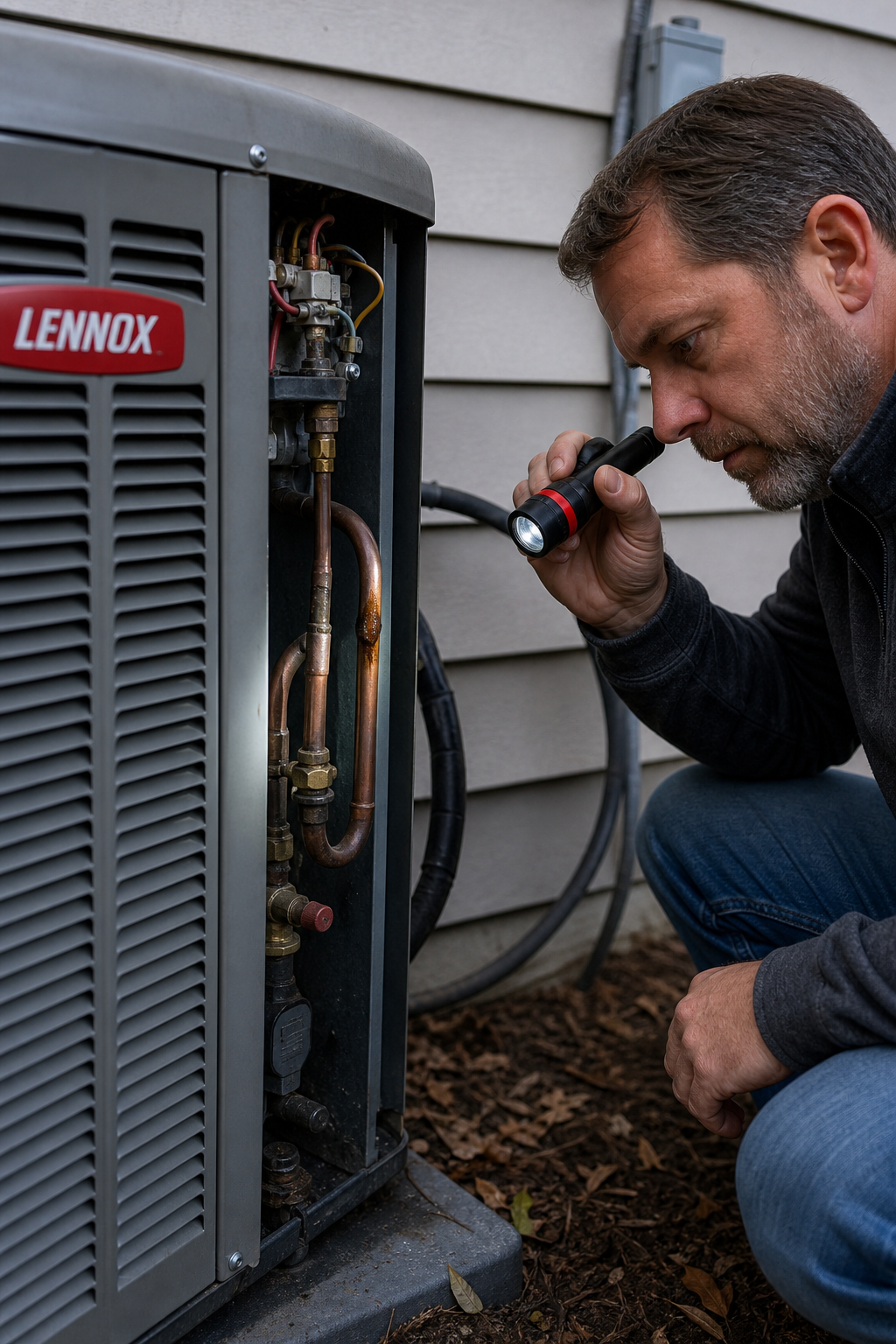
Typical signs include weak or warm air, a hissing sound near the copper lines, or a faint sweet smell that resembles nail polish remover. If you see oil stains on the unit, that’s a strong clue the leak is there.
DIY checks can catch a big leak: spray a mix of water and a little dish soap on the refrigerant lines. Bubbles mean air is escaping. Small leaks often hide, so the best move is to call a pro who has a refrigerant detector.
Why call a professional? Technicians not only find the exact spot but also repair it safely and recharge the system with the right amount of refrigerant. Running the AC with a leak can damage the compressor and hurt the environment.
Our team follows the latest standards for the newer R-454B and R-32 refrigerants, which are more eco‑friendly than older types.
- Turn off the thermostat when you suspect a leak.
- Check for visible oil residue on coils or pipes.
- Listen for a constant hiss after the unit starts.
- Schedule a technician to run a leak detection test.
When you need a quick, local fix, Jack Frost Heating & Air Conditioning, Inc | Seymour, TN is just a short drive away.
2. Weak Airflow , Clogged Air Filter
Clear the filter, feel the breeze. A dirty filter blocks airflow, making the fan work harder and the unit run hotter.
When airflow drops you may notice rooms that stay warm, a louder fan, or dust buildup on vents. The filter itself will look dark and gritty.
Most disposable filters last three to twelve months, but thicker ones can go a year. The exact life depends on your home’s use, pets, and allergies.
Check the filter every month during cooling season. If it looks dirty, replace it right away. A clean filter improves comfort and can cut energy use by up to 15%.
For a dee. It explains how filter thickness changes the change interval.
- Turn off the system before you remove the filter.
- Slide the old filter out and compare size to a new one.
- Insert the new filter the same way, making sure it faces the correct airflow direction.
- Reset any filter‑change reminder on your thermostat.
Our Our HVAC services include filter checks as part of every tune‑up.
3. Strange Noises , Malfunctioning Compressor
Quiet operation means the system is healthy. Odd sounds often point to a failing compressor, the heart of the AC.
Grinding, rattling, or a high‑pitched squeal can signal worn bearings, loose bolts, or internal damage. The noise usually comes from the outdoor unit.
If you hear any of these, shut the thermostat off and call a technician. Running a damaged compressor can cause a total system failure and expensive repairs.
During a visit the tech will inspect the motor, check the refrigerant pressure, and test the electrical connections. They may need to replace the compressor or, if the unit is older than 15 years, recommend a full system upgrade.
Reading real homeowner stories shows that catching a noisy compressor early saved up to $2,000 in repair costs.
Our Customer reviews often mention how fast we diagnosed and fixed noisy units.
“The tech explained the noise, fixed the problem, and left us with cool air again in under two hours.”
4. High Energy Bills , Inefficient System
Lower bills, same comfort. An old or poorly tuned system can waste power, raising your electric bill each month.
Key culprits are low SEER ratings, dirty coils, and mis‑sized equipment. When the system works harder, the fan draws more electricity and the compressor runs longer.
Regular maintenance, cleaning coils, checking refrigerant levels, and tightening loose parts, keeps efficiency high. If your unit is more than ten years old, newer models can be up to 30% more efficient.
Energy costs have risen steadily; the latest data shows a 21% increase over the past decade. Upgrading to a high‑efficiency unit can pay for itself in a few years.
at why utility bills rise for details on how age and maintenance affect cost.
- Schedule a coil cleaning every spring.
- Replace old single‑stage units with two‑stage or variable‑speed models.
- Seal duct leaks to prevent conditioned air from escaping.
- Consider a programmable or smart thermostat to avoid over‑cooling.
Financing options are often available for new high‑efficiency systems, making the upgrade easier on the budget.
5. Thermostat Issues , Calibration Problems
Accurate temperature saves money. A mis‑calibrated thermostat can make the system run too long or shut off too early.
Symptoms include rooms that feel too hot or too cold even when the thermostat reads the set point, or frequent short cycling.
First, check the battery (if your unit uses one). Then verify the display matches the actual room temperature with a separate thermometer.
If the numbers differ by more than two degrees, you may need to recalibrate. Many modern thermostats let you adjust a calibration offset in the settings menu.
Smart thermostats add remote monitoring, so you can see temperature trends on your phone. This helps spot calibration drift before it hurts comfort or bills.
- Turn off power to the thermostat before opening it.
- Remove the cover and locate the calibration setting.
- Adjust the offset by the difference you measured.
- Save the setting and test for an hour.
When you’re unsure, our technicians can verify the thermostat and the whole system’s control logic.
6. Jack Frost Heating & Air Conditioning , Your Local Repair Experts
We know East Tennessee weather like the back of our hand. From summer heat waves to winter freezes, we keep homes comfortable year‑round.
Our team follows the regional service standards highlighted in recent research: a one‑ to two‑hour visit, seasonal maintenance, and a clear pre‑visit checklist. The checklist reminds homeowners to make the house number visible, keep pets in a safe area, and clear the space around the outdoor unit. Skipping these steps adds 15‑20 minutes to a tech’s travel time and can increase labor costs.
Jack Frost offers transparent, up‑front pricing with no hidden fees. We also work with financing partners so you can spread the cost of a new high‑efficiency system.
Our services cover everything you need:
- Emergency repair for heating and cooling.
- Seasonal tune‑ups that catch problems early.
- Indoor‑air‑quality upgrades, including UV lights and dehumidifiers.
- Smart‑thermostat installation and remote diagnostics.
We treat each home as if it were our own, respecting property and cleaning up after the job.
When you search for ” hvac repair near me,” you’ll find us listed among the top local providers because we meet the benchmarks for response time and service quality.
Comparing Common HVAC Issues
Use the table to decide which symptom to address first based on cost and impact.
FAQ
How often should I replace my air filter?
We recommend checking the filter every month during cooling season. If it looks dirty, replace it. For standard 1‑inch filters, change every three months; thicker 5‑inch filters can last up to a year, but high‑use homes with pets may need a monthly change. Keeping the filter clean improves airflow, reduces energy use, and protects the compressor.
What is the sign of a refrigerant leak?
A refrigerant leak often shows up as warm air, a hissing sound near the coil, or an oily residue on the copper lines. You might also notice the AC runs longer without reaching the set temperature. If you suspect a leak, turn the system off and call a certified tech who can run a pressure test and safely repair the leak.
Can I fix a noisy compressor myself?
No. Compressor problems involve high‑pressure refrigerant and electrical components that require special tools and training. Attempting a DIY repair can cause further damage or safety hazards. A professional will diagnose the exact cause, whether it’s a loose bolt, worn bearing, or a failed motor, and recommend repair or replacement.
Why are my energy bills higher even though I set the thermostat lower?
Higher bills can stem from a system that is old, dirty, or incorrectly sized. Dirty coils, low refrigerant, and leaky ducts force the unit to work harder, using more electricity. Upgrading to a higher SEER model, sealing ducts, and scheduling regular maintenance can bring the bill down.
Do smart thermostats really save money?
Yes. Smart thermostats learn your schedule and adjust heating and cooling when you’re away, avoiding unnecessary run time. They also let you monitor temperature remotely, catch calibration drift early, and receive alerts if the system behaves oddly. The average homeowner saves about 10‑12% on heating and cooling costs.
What should I do before a technician arrives?
Clear any furniture or rugs that block vents, make sure the outdoor unit has at least two feet of clearance, and keep pets in a separate room. Also, check that your house number is visible from the street; technicians spend extra time locating homes with hidden numbers, which can add to labor cost. A quick phone call confirming the appointment time helps the tech arrive on schedule.
Conclusion
Knowing the seven most common HVAC problems lets you act fast, keep comfort high, and avoid costly repairs. Whether it’s a refrigerant leak, a dirty filter, a noisy compressor, rising bills, or a mis‑calibrated thermostat, the right steps and a trusted local partner make the difference.
Jack Frost Heating & Air Conditioning brings local expertise, transparent pricing, and a focus on getting your system back to peak performance. If you spot any of the signs we covered, give us a look‑up on our site and explore the Our HVAC services page for a full list of what we can do.
Ready to dive deeper? on seasonal HVAC maintenance to keep your system humming all year long.