

Cold air blowing from your vents? The furnace is silent when you need heat? It’s frustrating, especially when a freeze‑up hits East Tennessee. The good news is that many issues have quick fixes you can try before dialing a pro. In this guide we walk you through six hands‑on steps to diagnose the problem, plus tips on when it’s time to call a trusted local contractor.
Step 1: Check Your Thermostat Settings
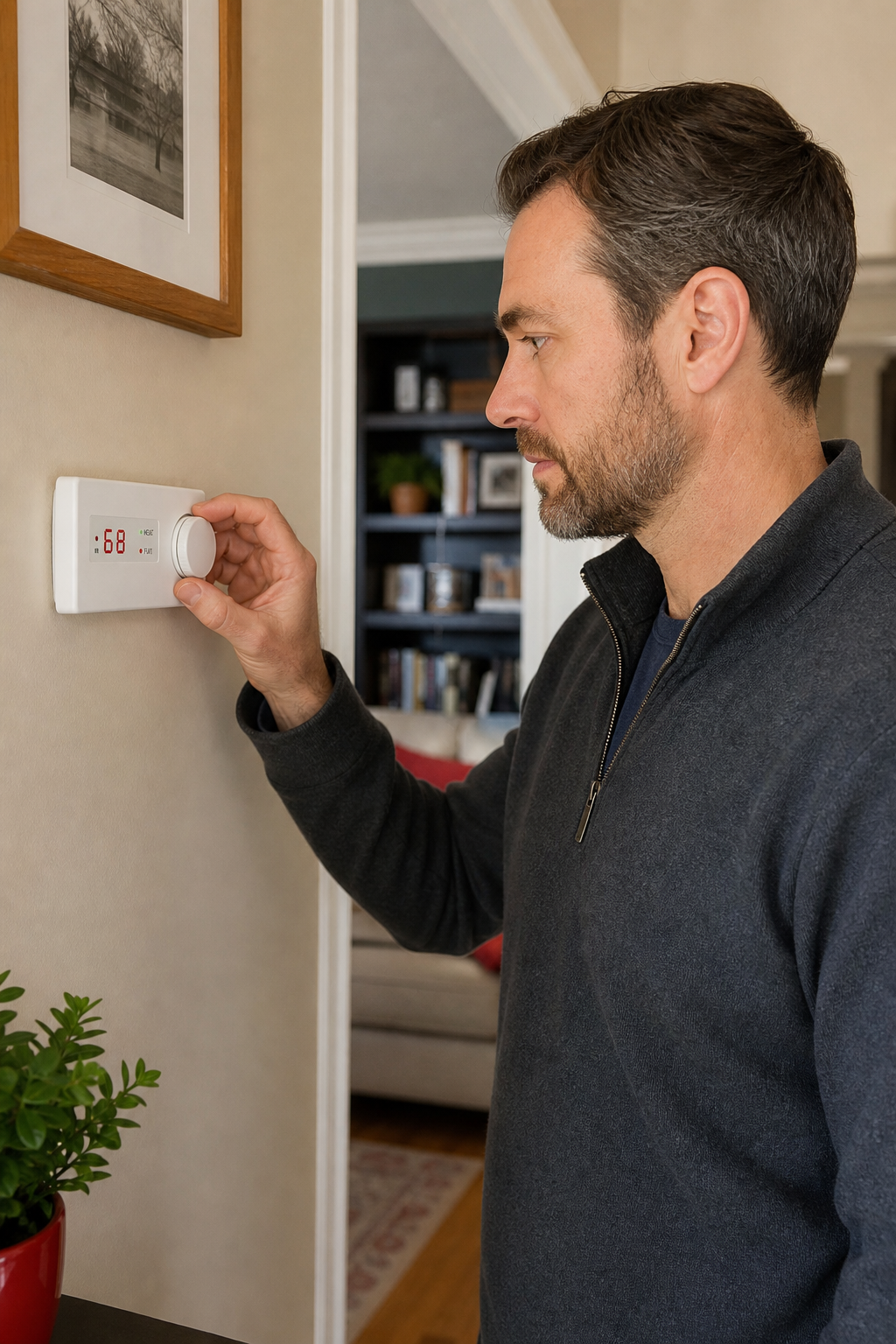
First, make sure the thermostat isn’t the culprit. A mis‑set thermostat can make a perfectly healthy furnace appear dead.
Start by confirming the mode selector is set to “Heat.” If the display shows “Cool” or “Auto,” the furnace won’t fire. Next, verify the temperature setting is higher than the current room temperature. Many homes have programmable thermostats that hold a low night‑time set point; raise it a few degrees and see if the furnace kicks on.
While you’re at it, look for a low‑battery warning. Dying batteries cause erratic behavior, especially on older units. Replace them with fresh AA or AAA cells , it’s cheap and often solves the mystery.
Take a moment to remove the front cover (if your model allows it). A quick visual check for loose or corroded wires can reveal a hidden problem. Do not touch the wires; just note any discoloration or broken connections. If you spot damage, it’s safer to call an electrician or HVAC technician.
Dust and grime can also jam the thermostat’s internal contacts. Use a soft brush or a dry paintbrush to sweep away debris. A thin piece of pas stuck between the sensor and the dial.
For homes that recently upgraded to a smart thermostat, ensure the device is compatible with your furnace’s heat‑pump setup. Incompatible units can send the wrong signals, leaving the furnace idle.
If none of these checks revive the heat, you’ve likely ruled out the thermostat. That narrows the field for the next steps.
Need more detail on how a thermostat talks to a furnace? Our warning signs guide walks you through common red flags.
For deeper technical info, see the manufacturer’s troubleshooting page on their thermostat guide. It explains wiring checks and battery replacement in plain language.
Step 2: Inspect and Replace the Air Filter
Airflow is the lifeblood of any forced‑air furnace. A clogged filter forces the blower to work harder, which can trigger overheating shut‑offs.
Locate the filter , it’s usually behind the return grille in a hallway or inside the furnace’s blower compartment. Pull it out and hold it up to a light source. If you can’t see much light through, it’s time for a new one.
Filters come in several ratings, from basic 1‑inch pleated panels to high‑efficiency MERV 13 units. For most homes, a 3‑month replacement schedule works well, but households with pets or allergy sufferers may need to swap every 30‑45 days.
When you replace the filter, double‑check the airflow direction arrow on the frame. Installing it backward can actually block air and cause the same symptoms you’re trying to fix.
After the new filter is in place, turn the furnace back on and listen for a steady hum. If the unit starts and the warm air begins to flow, you’ve solved the problem.
Regular filter maintenance is a cheap way to extend furnace life. It also keeps your indoor air quality high, which is especially important in East Tennessee’s pollen season.
Our HVAC maintenance page has a full checklist you can follow each season.
Step 3: Verify Power and Circuit Breaker
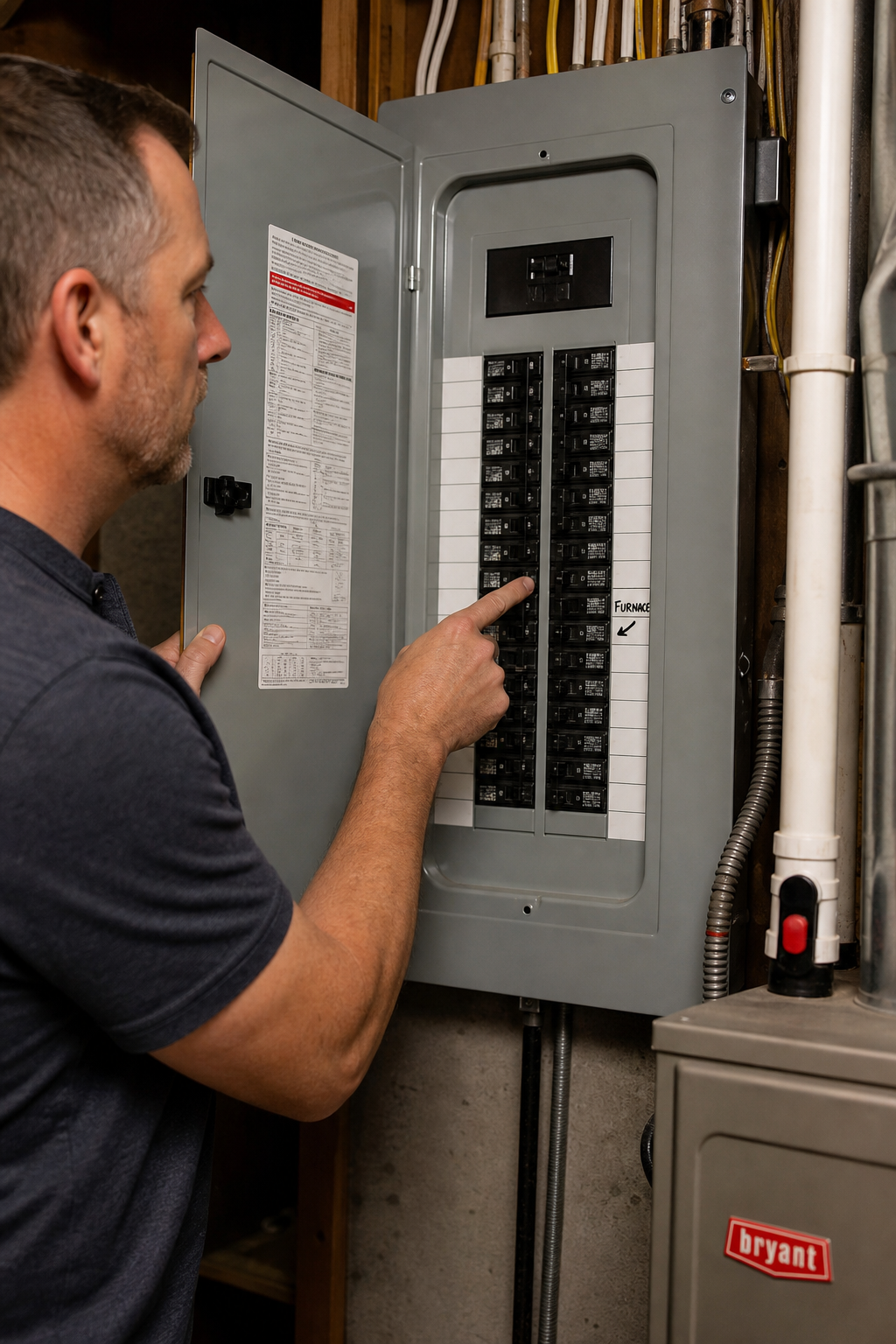
Even a gas furnace needs electricity for the control board, blower motor, and gas valve. If the breaker has tripped, nothing will run.
Open your breaker panel and locate the switch labeled “Furnace” or “HVAC.” If the lever is in the middle position, flip it fully to “Off” then back to “On.” This reset can clear a temporary surge.
If the breaker trips again immediately, you have a deeper issue. Common causes include a shorted blower motor, a faulty control board, or an overloaded circuit.
Older homes sometimes share the furnace circuit with high‑draw appliances like a dryer or water heater. Running both at the same time can exceed the breaker’s rating, causing a trip. Unplug non‑essential devices while the furnace runs.
Another hidden cause is poor airflow. When the filter is dirty, the blower draws more current, which can overload the circuit. That’s why step 2 and step 3 often go hand‑in hand.
If you suspect a wiring problem , frayed wires, burnt insulation, or loose connections , do not attempt a repair yourself. Electrical work should be done by a licensed electrician.
After you’ve confirmed the breaker stays set, turn the furnace back on and see if heat returns. If it does, you’ve likely solved the power issue. If not, move on to the next step.
For a thorough explanation of breaker‑related furnace problems, refer to a manufacturer’s troubleshooting guide on breaker trips.
Step 4: Check for Gas Supply and Ignition Issues
Gas furnaces rely on a steady flow of fuel and a spark to start burning. Problems here often show up as a furnace that won’t light or that clicks repeatedly.
First, make sure the gas valve is open. The valve is usually a round knob near the furnace that turns clockwise to close. If it’s partially closed, the burner may not get enough fuel.
Next, look for a flashing error code on the furnace’s control board. Many modern units blink a pattern that tells you exactly what’s wrong , for example, “F01” may mean a failed igniter.If you smell gas , a sharp, rotten‑egg odor , shut off the furnace immediately, open windows, and leave the house. Call your gas utility and a qualified HVAC professional. Gas leaks are dangerous and must be handled by experts.
For non‑emergency checks, you can test the pilot light on older models. If the pilot is out, follow the manufacturer’s lighting procedure , usually a knob to “Pilot” and a button to spark the flame.
Dirty burners can also cause delayed ignition, which creates a small “bang” sound. A professional can clean the burners, but you can remove loose debris with a soft brush if the unit is off.
Modern furnaces often have a hot‑surface igniter that glows orange when it works. If the igniter is cracked, it won’t heat up enough to ignite the gas. Replacing an igniter is a job for a technician because it involves handling high‑temperature parts.
After you’ve verified gas flow and checked the igniter, reset the furnace by turning the power off at the breaker for one minute, then turning it back on. This clears any fault codes.
An official furnace repair guide from a leading manufacturer offers a solid overview of ignition and gas‑supply troubleshooting.
Step 5: Listen for Unusual Noises and Other Signs
Sounds are the furnace’s way of telling you what’s wrong. Different noises point to different problems.
A loud banging at startup often means delayed ignition , gas builds up and then explodes when the igniter finally sparks. That can be caused by a dirty burner or a weak igniter.
Popping or ticking during operation usually comes from metal ducts expanding and contracting with temperature changes. While normal, excessive noise can indicate poor duct insulation or loose connections.
A high‑pitched squeal often signals a failing blower motor bearing. The motor may need lubrication or replacement.
If you hear a humming that stops suddenly, the furnace may be shutting off because of an overheat limit switch. This switch trips when the furnace gets too hot, often due to restricted airflow.Rattling noises can mean loose panels, fan blades, or motor mounts. Tighten any visible screws and check that the fan blades spin freely.
Beyond noises, watch for other signs: uneven heating across rooms, a sudden rise in energy bills, or a yellow flame instead of blue (the latter indicates incomplete combustion).
If any of these symptoms persist after you’ve checked the thermostat, filter, power, and gas, it’s time to call a professional. Ignoring them can lead to bigger repairs or safety hazards.
Our services page outlines the full range of repairs we handle, from noisy fans to gas‑line inspections.
For a full list of common furnace noises and their meanings, consult a reliable industry resource.
Step 6: Know When to Call a Professional
DIY fixes are great for simple problems, but some issues demand a licensed pro.
Call an expert if you see any of these red flags: gas odor, continuous breaker trips after a reset, repeated ignition failures, or error codes you can’t decode. Also, if your furnace is more than 15 years old and you’re facing frequent repairs, a replacement may be more cost‑effective.Safety is the top reason to involve a professional. Working with gas lines or high‑voltage components without proper training can cause fires, explosions, or carbon‑monoxide poisoning.
Another reason is warranty protection. Many manufacturers require that repairs be performed by certified technicians; otherwise the warranty can be voided.
When you call, be ready to share what you’ve already checked. Mention the thermostat setting, filter condition, breaker status, and any noises you heard. This information lets the technician arrive prepared, often reducing labor time.
Our technicians are trained to handle all of the above safely and efficiently. We also offer financing options so you can spread the cost of major repairs without surprise bills.
For safety guidelines on gas furnaces, the Home Safety Council provides clear advice: AHRI gas furnace safety page. For a broader view on DIY vs professional repair, read professional vs DIY guides.
Frequently Asked Questions About Furnace Repair
What does it mean when my furnace turns on but no heat comes out?
This usually points to an airflow blockage or a faulty gas valve. Start by checking the air filter , a clogged filter can starve the furnace of air, causing the heat exchanger to overheat and shut off. If the filter is clean, verify that the gas valve is fully open and that the pilot light (or igniter) is functioning. If the problem persists, the control board may need a diagnostic check by a technician.
How often should I replace my furnace filter?
We recommend changing the filter every 30‑90 days, depending on the type you use and household factors like pets or allergies. A high‑MERV filter can capture finer particles but may need more frequent changes to keep airflow optimal.
Why does my furnace keep tripping the circuit breaker?
Repeated trips indicate the furnace is drawing more current than the breaker can handle. Common causes include a dirty filter forcing the blower motor to work harder, a shorted motor winding, or a shared circuit overloaded with other appliances. Clean the filter first, then ensure the furnace has its own dedicated circuit. If the breaker still trips, a licensed electrician should inspect the wiring.
What safety signs should I watch for before calling a pro?
Smell gas, see a yellow flame, hear a loud bang at startup, or notice the furnace shutting off after a few minutes. Also watch for error codes on the display panel that you cannot interpret. Any of these signs merit an immediate professional visit.
Can I clean the furnace burners myself?
Yes, if the furnace is turned off and the power is disconnected. Use a soft brush to remove dust and debris from the burner ports. Do not use a metal tool that could damage the surface. If the burners are heavily corroded or you notice uneven flame patterns, a technician should clean or replace them.
How long does a typical furnace repair take?
Most simple repairs , filter changes, thermostat adjustments, or minor gas valve tweaks , can be completed in under an hour. More involved work, like replacing an igniter or fixing wiring, usually takes 2‑3 hours. Our local team aims to finish most jobs the same day you call, so you’re back in comfort quickly.
Do I need a maintenance plan for my furnace?
A yearly maintenance tune‑up helps catch wear‑and‑tear before it becomes a breakdown. Technicians will clean the heat exchanger, check the gas pressure, test safety controls, and lubricate moving parts. This proactive approach can extend the furnace’s life by several years and keep energy bills low.
What financing options are available for furnace repairs?
We work with several financing partners to offer flexible payment plans. Options can include low monthly payments or other arrangements, depending on the repair scope and your credit profile. Our team can discuss the current options available to you.
Conclusion
By now you should have a clear picture of how to pinpoint the most common furnace issues before you call a repair service. Checking the thermostat, swapping a dirty filter, resetting the breaker, confirming gas flow, listening for strange noises, and knowing when to call a pro are all steps that can save you time and money.
When you do need expert help, remember that Jack Frost Heating & Air Conditioning, Inc. offers transparent pricing, flexible financing, and deep local knowledge of East Tennessee’s weather challenges. Our technicians are trained to handle everything from a simple filter change to a full ignition system overhaul.
Ready to learn more about keeping your home comfortable all year? Explore our full suite of services and see how we can keep your furnace running smoothly.