

Winter in East Tennessee can feel like a freezer, and a weak heating system makes that feel worse. You need a heat pump that stays warm when the temperature drops below zero, yet still cools your home in summer. In this article we’ll walk through a short list of the top heat‑pump options for cold climates, explain what makes each one tick, and give you a quick checklist for picking the right fit for your home.
By the end you’ll know why a duct‑less mini‑split often beats a big ducted unit, how inverter technology keeps the bills low, and when a dual‑fuel hybrid is the safest bet. Let’s get into the shortlist.
1. Jack Frost Heating & Air Conditioning, Expert Heat Pump Installation for Cold Climates
Fast, professional installation makes a heat pump work its best. Our team starts with a detailed load calculation that matches the unit size to your home’s square footage, insulation level, and window count. That step avoids the common pitfall of an oversized system, which can short‑cycle and waste energy.
We then verify your ductwork (if you have any) for leaks and proper sizing. In homes without ducts, we suggest a duct‑less mini‑split that can be placed in each zone for precise control. Because East Tennessee homes often have a mix of old and new construction, we tailor the design to each area.
During the final commissioning we check refrigerant charge, airflow, and thermostat communication. We also walk you through the new thermostat settings so you can see the savings on your next utility bill.
Our transparent pricing means you know exactly what you’re paying for, and we can help you apply any local rebates that may be available.
Understanding Heat Pumps vs Traditional HVAC Systems offers a deeper look at why a heat pump is a smart swap for an old furnace.
2. Cold‑Climate Heat Pumps with Inverter Technology
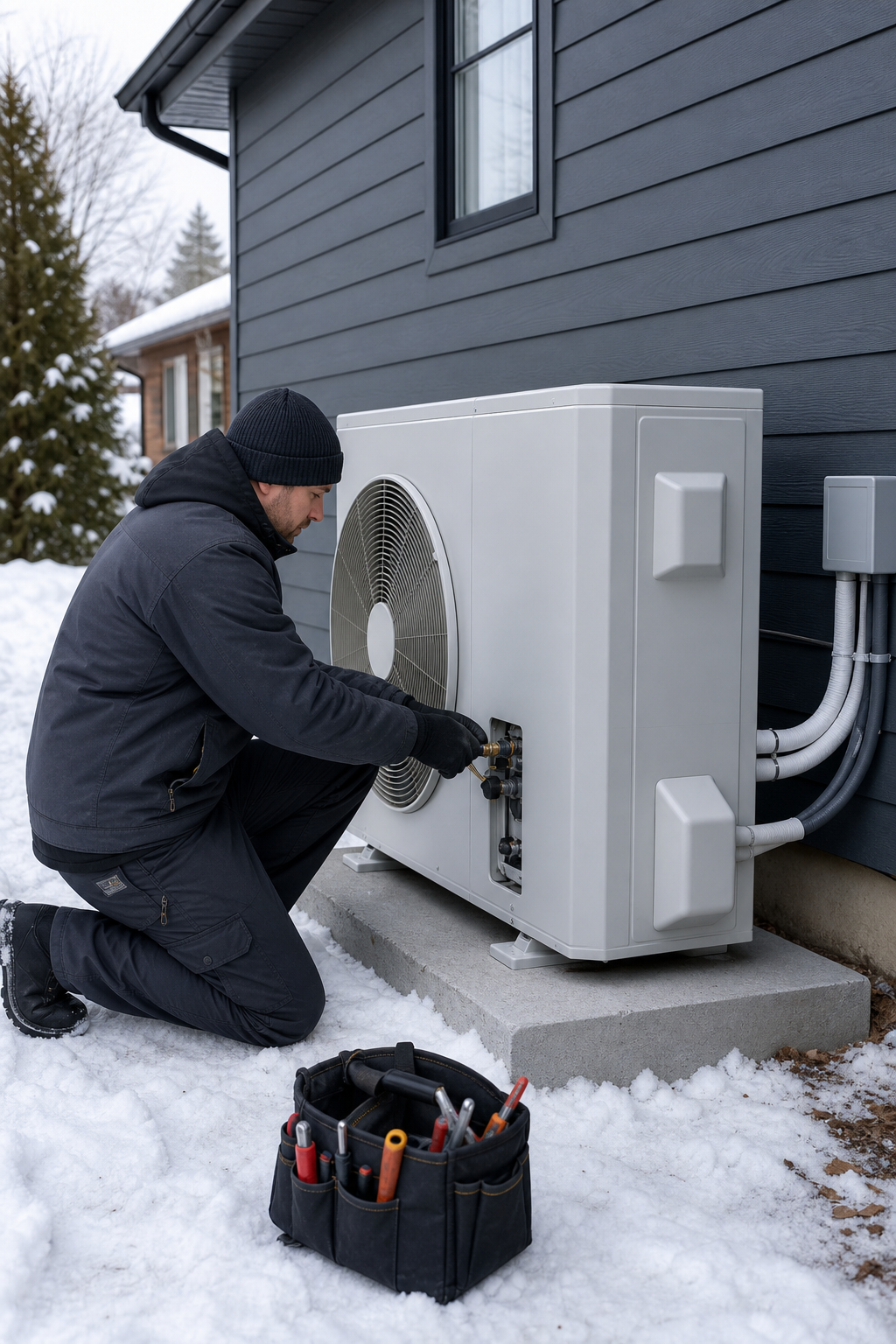
Inverter‑driven compressors adjust their speed to match the exact heating demand. When the outdoor temperature hovers around , 5°F, the unit slows down but keeps running, extracting every bit of heat from the thin air.
This variable‑speed operation reduces the start‑stop wear that traditional single‑speed units suffer, and it cuts electricity use by up to 30 % compared with older models. The result is a steadier indoor temperature and quieter operation.
Because the compressor can run at low speed for long periods, the system also handles defrost cycles more gracefully, preventing the temporary loss of heat that can happen with older units.
When you pair an inverter heat pump with a smart thermostat, the thermostat can tell the unit exactly how much heating power is needed at any moment, further trimming the bill.
For a deeper look at how inverter technology works, the U.S. Department of Energy’s research on variable‑speed compressors provides a solid technical background.
3. Dual‑Fuel Heat Pump Systems
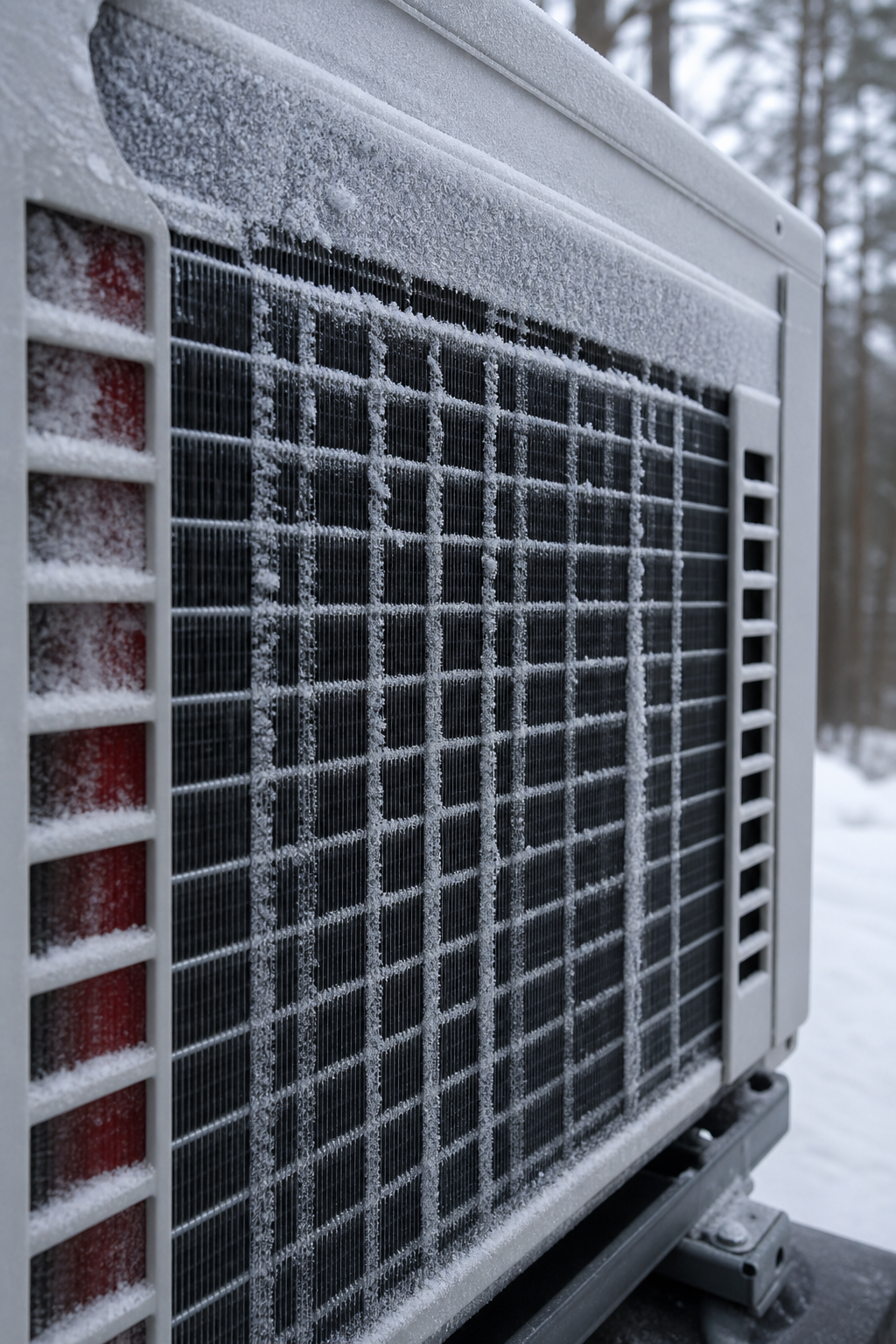
When temperatures dip below the comfort range of most air‑source units, a dual‑fuel system automatically switches to a gas furnace. The heat pump handles most of the year, while the furnace jumps in for the coldest nights.
This hybrid approach gives you the efficiency of an electric heat pump for the majority of the season and the rapid heat output of gas when you need it most. The switch point can be set based on outdoor temperature, utility rates, or even real‑time demand response signals.
Our installers work with local utilities to see if a “controlled‑interruptible” rate is available. That rate can lower electricity costs during off‑peak hours, making the dual‑fuel setup even more economical.
Because the gas furnace is already in place in many East Tennessee homes, we can often keep the existing unit and add a compatible heat pump, saving on equipment costs.
Here’s a quick look at the pros and cons:
Our field study with a local community project showed a 20 % drop in annual energy use after adding a dual‑fuel heat pump to an older home.
How to Set the Best Thermostat Temperatures for Comfort and Savings explains the thermostat settings that let the system flip at the right time.

4. Hyper‑Heating Heat Pumps for Extreme Cold
Hyper‑heating models are built to keep full capacity even when the mercury slides to , 22°F. They use advanced coil designs and enhanced refrigerant flow to pull heat from air that most units consider too cold to be useful.
One key metric is the Coefficient of Performance (COP). In extreme cold, a hyper‑heating unit can still deliver a COP above 2, meaning it supplies twice as much heat energy as the electricity it consumes.
These units also come with built‑in backup electric resistance heaters that kick in only if the outdoor temperature drops below the unit’s design limit, ensuring no frost‑bite for your home.
According to the New York State Clean Heat program, modern cold‑climate air‑source heat pumps, like hyper‑heating models, can meet 100 % of a home’s heating needs down to , 15°F, provided they are properly sized and installed. Clean Heat , Cold Climate Heat Pumps
Installation in East Tennessee still follows the same careful load calculation we use for any system, but extra attention is paid to protecting the outdoor unit from snow buildup and ice formation.
Because these units run at high efficiency even in the coldest weather, they often qualify for federal tax credits and local utility rebates.
5. High‑SEER2 Heat Pumps with Cold‑Climate Certification
SEER2 measures cooling efficiency, while HSPF2 measures heating efficiency across a full season. A high‑SEER2 unit that also carries the ENERGY STAR® Cold Climate label has been tested to keep at least 80 % of its heating capacity at 5°F outdoor temperature.
The certification process checks that the heat pump meets strict low‑ambient performance standards set by the Department of Energy. ENERGY STAR , Cold Climate Heat Pump Criteria This means the unit won’t lose its punch when the air turns crisp.
When you pair a high‑SEER2 heat pump with a properly sealed duct system, you can see seasonal energy savings of 15‑20 % compared with older models.
Our technicians use blower‑door testing to verify that your home’s envelope is tight enough to let the high‑SEER2 unit operate at its peak.
Choosing a model with a SEER2 rating of 18 or higher gives you the best cooling performance on hot summer days while still delivering strong heating.
We also look for units that run on low‑GWP refrigerants like R‑454B or R‑32, which lower the environmental impact without sacrificing efficiency.
How to Choose the Best Heat Pump for Your Home
Start with a Manual J load calculation. That number tells you the exact heating and cooling capacity your home needs.
Next, check the unit’s COP at the lowest temperature you expect in your area. A COP above 2 at , 10°F is a solid sign of cold‑climate performance.
Look for the ENERGY STAR Cold Climate label; it guarantees the unit has passed the DOE’s low‑ambient tests.
Make sure the refrigerant is low‑GWP. R‑454B and R‑32 are the newest options that keep global warming impact low.
Finally, weigh the total cost of ownership: upfront price, expected lifespan (about 15 years), and maintenance needs. A slightly pricier unit with a longer warranty often saves more over time.
Our Services page explains how we handle the sizing, installation, and post‑install support to keep your system humming.
Frequently Asked Questions
What temperature can a cold‑climate heat pump actually heat at?
Modern units are tested to keep at least 80 % of their heating capacity at 5°F. Some hyper‑heating models stay functional down to , 22°F, though the output drops as the air gets colder.
Do I need a backup furnace?
A backup furnace isn’t required if you pick a hyper‑heating or high‑SEER2 unit that meets the Cold Climate certification. However, a dual‑fuel system gives you extra peace of mind on the rareest of cold snaps.
How much will a heat pump save me on heating bills?
Because a heat pump moves heat rather than generating it, homeowners typically see a 30‑50 % reduction in heating costs compared with electric resistance or oil heating, assuming the unit is properly sized.
Are there rebates or tax credits for installing a cold‑climate heat pump?
Yes. The federal clean‑energy tax credit can cover up to 30 % of equipment costs, and many local utilities in Tennessee offer additional rebates for ENERGY STAR‑certified models.
Can a heat pump also cool my home?
All the units we discuss are two‑stage, meaning they provide both heating and cooling. In summer they work like a traditional air conditioner, moving indoor heat outside.
How often does a heat pump need maintenance?
We recommend a professional service check once a year. The technician will clean the coils, check refrigerant pressure, and verify the thermostat communication.
What is the difference between SEER2 and HSPF2?
SEER2 rates cooling efficiency over a typical cooling season, while HSPF2 rates heating efficiency over a heating season. Both numbers help you compare performance, but for cold climates HSPF2 is the more relevant metric.
Will a heat pump work in a home without ducts?
Yes. Duct‑less mini‑split systems are a great retrofit option for older homes that lack ductwork. Each indoor head can be placed in a different zone for precise temperature control.
Conclusion
Choosing the right heat pump for East Tennessee’s chilly winters means looking at three key factors: how low the unit can go while staying efficient, whether it uses low‑GWP refrigerant, and how well it matches your home’s load.
Our shortlist shows that a well‑installed duct‑less mini‑split often tops the performance charts, but hyper‑heating models and high‑SEER2 certified units are strong contenders for larger homes or those that need a backup furnace.
When you work with Jack Frost Heating & Air Conditioning, you get a partner that sizes the system correctly, handles the tricky winter start‑up, and makes sure you claim any rebates or tax credits you qualify for.
Ready to lock in comfort and savings? Start your free consultation with Jack Frost Heating & Air Conditioning today →